
Birding in Bwindi Impenetrable National Park: Albertine Rift Endemics
Bwindi's ancient montane and lowland forest makes it one of Africa's most important bird areas.
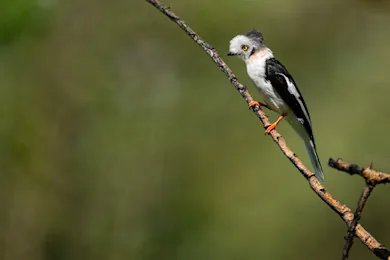
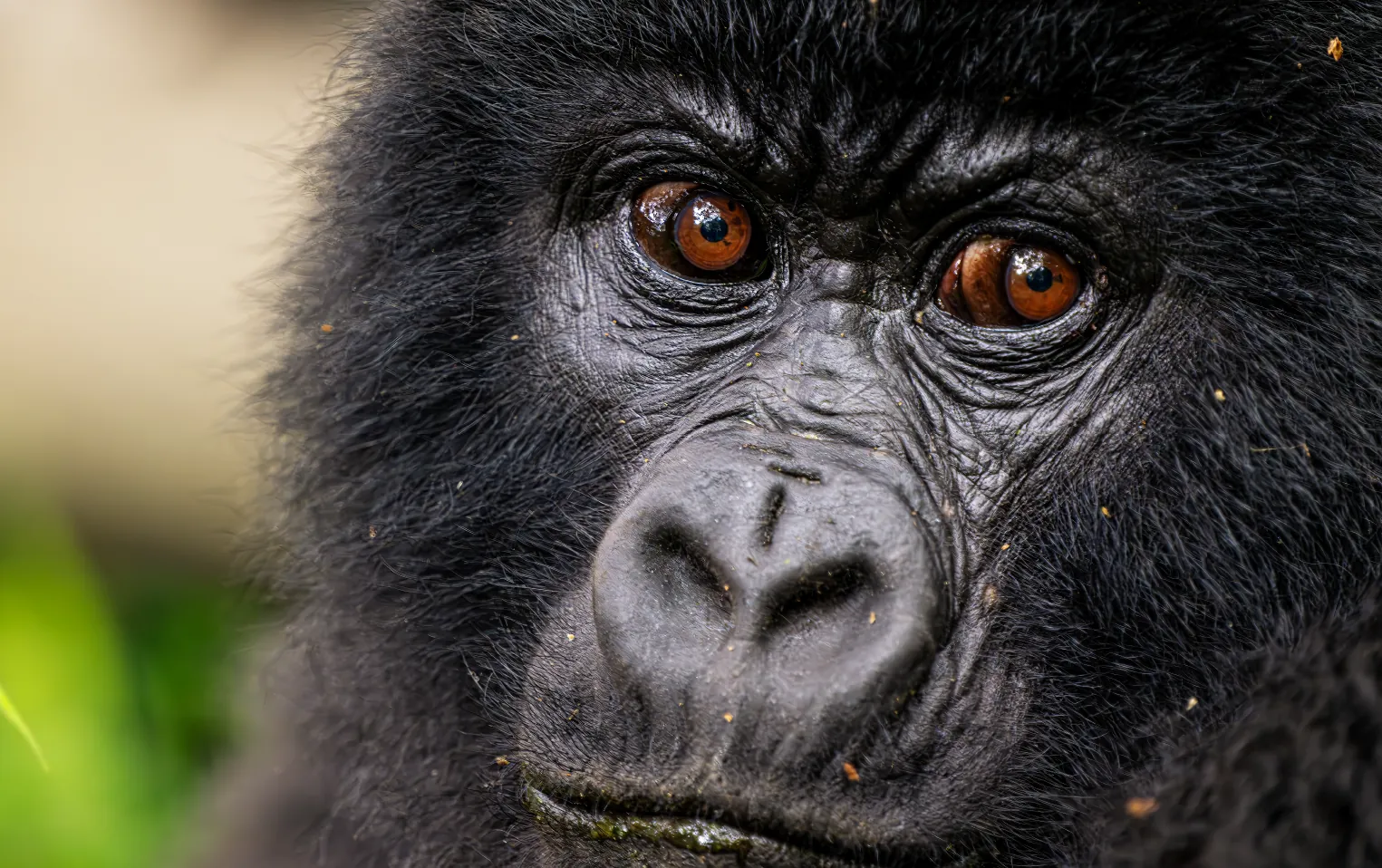
Bwindi is best known for gorillas, but it is also a major destination for birders because it holds many Albertine Rift endemics, species that occur in few other places. The forest rises from lower to higher elevations, so different trails produce different birds.
Birding is usually done on guided walks along established trails, and sectors such as Buhoma and Ruhija are especially popular with birdwatchers. See Bwindi sectors for how they differ.
At a glance
- Top sectors: Buhoma and Ruhija
- Highlights: Albertine Rift endemics and forest specialists
- Pairs with: Gorilla trekking
- Tip: Allow at least two full days for birding
Trails and Timing
Birding in dense forest takes patience. Mornings are best, and a local bird guide is invaluable because many species are identified by call. Bring waterproofs because the forest is wet, and a light, compact pair of binoculars.
Combining Birding and Gorillas
Plan gorilla trekking on one day and birding on another so you are fresh for both. Read about the wider birding options in Uganda birding tours and birding in Mgahinga.
Sample Plan
A two-day plan: on day one walk the Buhoma waterfall trail or Ruhija's Mubwindi swamp trail in the morning, with a break at midday and a forest-edge walk in the afternoon. Day two could be an early start on the Munyaga river trail or the Neck. Gorilla trek on a separate day.
Practical Tips
Birding in dense forest needs patience, so bring a lightweight spotting scope only if you are serious. Use a rain jacket. Walk quietly, stay on trails and let the guide point out birds by call. Ask whether your sector offers specific birding guides. See Bwindi sectors and best months for birds.
Best Time and Conditions
Birding is good all year, with more activity at dawn. Dry months give easier trails; wet months make forest greener but slippery. Migrants add species in the northern winter.
Common Mistakes to Avoid
- Booking only one day and rushing.
- Trying to bird and trek gorillas on the same day.
- Forgetting waterproofs.
- Not hiring a local bird guide.
Related Tours, Guides and Resources
- Ameera Africa Safaris homepage: Uganda safaris, tours and holidays
- 3 Days Murchison Falls Uganda Safari
- 3 Days Queen Elizabeth National Park Wilderness Safari
- Birding in Mgahinga Gorilla National Park
- 8 Best Safari Experiences in Uganda
- Uganda Safaris
- Uganda safari packages
- Uganda travel guide
- How to book a Uganda safari
- Plan your safari with our team
Itineraries That Include This Experience
Frequently Asked Questions
Related Uganda Safari Pages
Ready to Plan Your Uganda Safari?
Tell us your dates, group size and interests and our Kampala team will reply with a clear, personal itinerary.
Back to the Ameera Africa Safaris homepage for Uganda safari holidays, our featured tours and the latest Uganda park fees.