
Snorkelling at Mnemba Atoll: Zanzibar's Most Famous Reef Trip
Mnemba Atoll, just off Zanzibar's north-east coast, is a protected marine area whose clear, warm water and reef fish make it the island's best-known snorkelling trip.
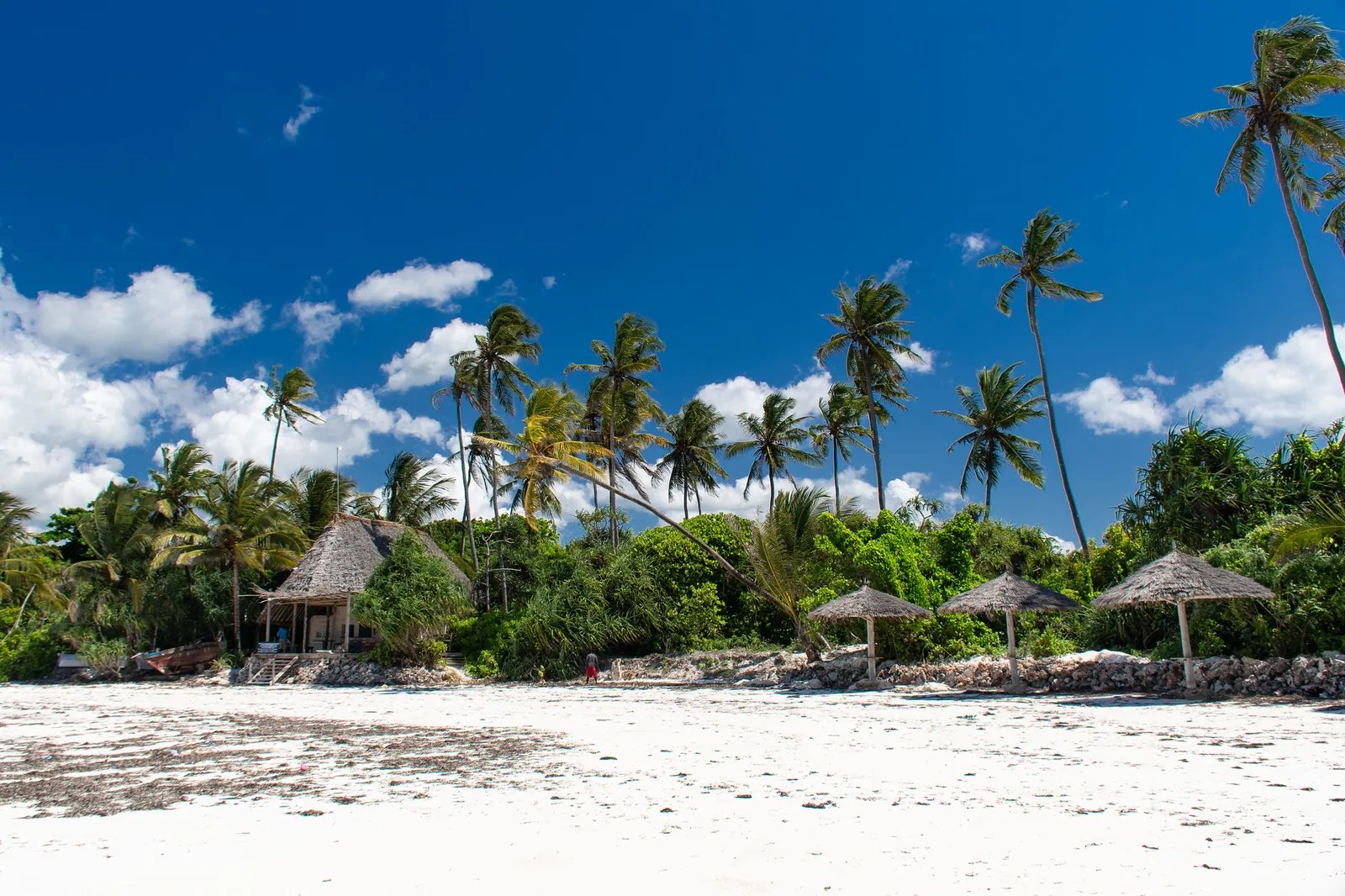
The little island sits inside a reef surrounded by shallow, turquoise water. Day trips leave from the beaches nearby, and the outings combine snorkelling with time on a boat and a stretch of sandbank.
This guide explains what to expect, how to choose an operator and how to protect the reef.
This guide is part of our Uganda park trails and activities guide. When you are ready to plan, see our Uganda safari packages or the Ameera Africa Safaris Uganda tours homepage.
At a glance
- Where: Off north-east Zanzibar
- Trips from: Matemwe, Kendwa and Nungwi
- Best: Calm mornings
- Marine life: Reef fish, turtles
- Rule: No landing on the private island
About Mnemba
Mnemba is a small island with a surrounding reef that is part of a conservation area. The island itself is privately operated, so day visitors do not land there, but snorkelling is allowed in the waters nearby under local rules. The reef holds coral gardens, sea fans and a wealth of small fish, while turtles and dolphins are sometimes seen in the area. Because of its popularity, the area can become busy, which makes timing and operator choice important. For a deeper look at the island and its setting, see the Mnemba Island guide.
How the Trip Works
Boats usually depart from the north-east and north coast beaches in the morning, taking about thirty to sixty minutes to reach the atoll, depending on the starting point and the sea. Crew members hand out masks, snorkels and fins, brief guests and help beginners into the water. Most trips include two stops at different parts of the reef, with time to rest on the boat and sometimes fruit or a light lunch. Outings last a few hours. Check what is included and whether national park or conservation fees are paid on the day.
What You Might See
Typical sightings include parrotfish, butterflyfish, angelfish, damselfish, triggerfish, moray eels, sea cucumbers and colourful corals. Green turtles feed in the area, and dolphins occasionally pass by, although neither is guaranteed. Visibility changes with the tide, wind and plankton levels, so some days are clearer than others. Early trips often have calmer water and fewer boats. Ask your guide to point out species, and take your time rather than racing from one spot to the next.
Tides, Weather and Timing
Tides and winds shape the experience. Slack water around high or low tide is typically calmer, while strong currents can make swimming more tiring. Operators check conditions each morning and may change the time or site. Rainy periods bring cloud and rougher seas, while the drier months generally offer clearer water. Your hotel or tour provider can advise on the best day. For seasons across the island, read the Tanzania and Zanzibar practical guide.
Safety and Swimming Ability
You do not need to be a strong swimmer, but you should be comfortable in deep water with a life vest. Beginners can practise near the boat with a crew member. Wear a rash vest or T-shirt to avoid sunburn, and do not stand on coral. Seasickness can occur, so take remedies early if you are prone. If you want a more technical underwater experience, consider diving in Pemba or see diving across East Africa.
Protecting the Reef
Reefs are fragile and take years to recover from damage. Do not touch or stand on coral, do not chase turtles or fish and never feed them. Use reef-safe sun protection or cover up with a rash vest. Take away all rubbish and avoid souvenirs made from shells or coral. Choose operators who limit group sizes and brief guests on reef etiquette. Responsible behaviour keeps the atoll healthy for local communities and future visitors.
Where to Stay and Combining Trips
The north and north-east coasts have the best access to the atoll; see where to stay on the north coast and Zanzibar beaches by region. Other marine trips include Kizimkazi dolphin trips on the south coast, and a stay on the island fits neatly after safari; see Tanzania safari and Zanzibar combination.
Planning a Uganda safari? Send us your dates and we will build the route, permits and transport around what you want to see.
Related Tours, Guides and Resources
- Ameera Africa Safaris homepage: Uganda safaris, tours and holidays
- Uganda safari packages
- Uganda travel guide
- How to book a Uganda safari
- Plan your safari with our team
Itineraries That Include This Experience


Frequently Asked Questions
Related Uganda Safari Pages
- Mnemba Island, Zanzibar: Snorkelling, Diving, Turtles and How to Visit
- Where to Stay on Zanzibar’s North Coast: Nungwi, Kendwa and Matemwe Compared
- Zanzibar Beaches by Region: Nungwi, Kendwa, Paje, Jambiani and Matemwe
- Diving in Pemba: Walls, Drop-Offs and Clear Water in the Pemba Channel
- Tanzania Cycling Tours: Village Rides, Foothills and Island Lanes
- Walking Safaris in Tanzania: On Foot With a Guide in Big-Game Country
- Zanzibar Cooking Classes: Swahili Flavours, Spices and Island Recipes
- Tanzania Safari and Travel Guides: Serengeti, Ngorongoro, Kilimanjaro and Zanzibar
Ready to Plan Your Uganda Safari?
Tell us your dates, group size and interests and our Kampala team will reply with a clear, personal itinerary.
Back to the Ameera Africa Safaris homepage for Uganda tours, our featured tours and the latest Uganda park fees.