
Rwanda in March: The Long Rains Begin, Green Hills and Low-Season Value
March marks the start of the main rains in Rwanda, so expect green hills, regular showers, thinner crowds and trekking that is still very possible with the right kit and attitude.
The rains do not arrive as a single wall of water. Early March often has plenty of sunshine between downpours, and the country feels fresh rather than gloomy. By the end of the month showers become more frequent.
This page looks at March as a transition month, focusing on practical choices: which activities work best, how to protect plans from delays, and why some travellers actively prefer this time.
This guide is part of our Uganda month-by-month and seasonal guide. When you are ready to plan, see our Uganda safari packages or the Ameera Africa Safaris Uganda tours homepage.
At a glance
- Season: Start of long rains
- Trails: Increasingly muddy
- Crowds: Light
- Scenery: Lush and green
- Best for: Flexible, value-minded travellers
Easing Into the Rains
The pattern in March is variable. A typical day may begin bright and cool, build cloud by midday and finish with a heavy shower in the afternoon or evening. Some days are wetter from dawn. Temperatures remain mild because of the altitude, and the air feels fresher than in dry months. Roads can be slower after heavy rain, and low cloud may hide the volcano peaks. Treat the first half of the month as the drier part and the second half as the wetter. See the Rwanda best time guide for the full seasonal picture.
Does Gorilla Trekking Work in March?
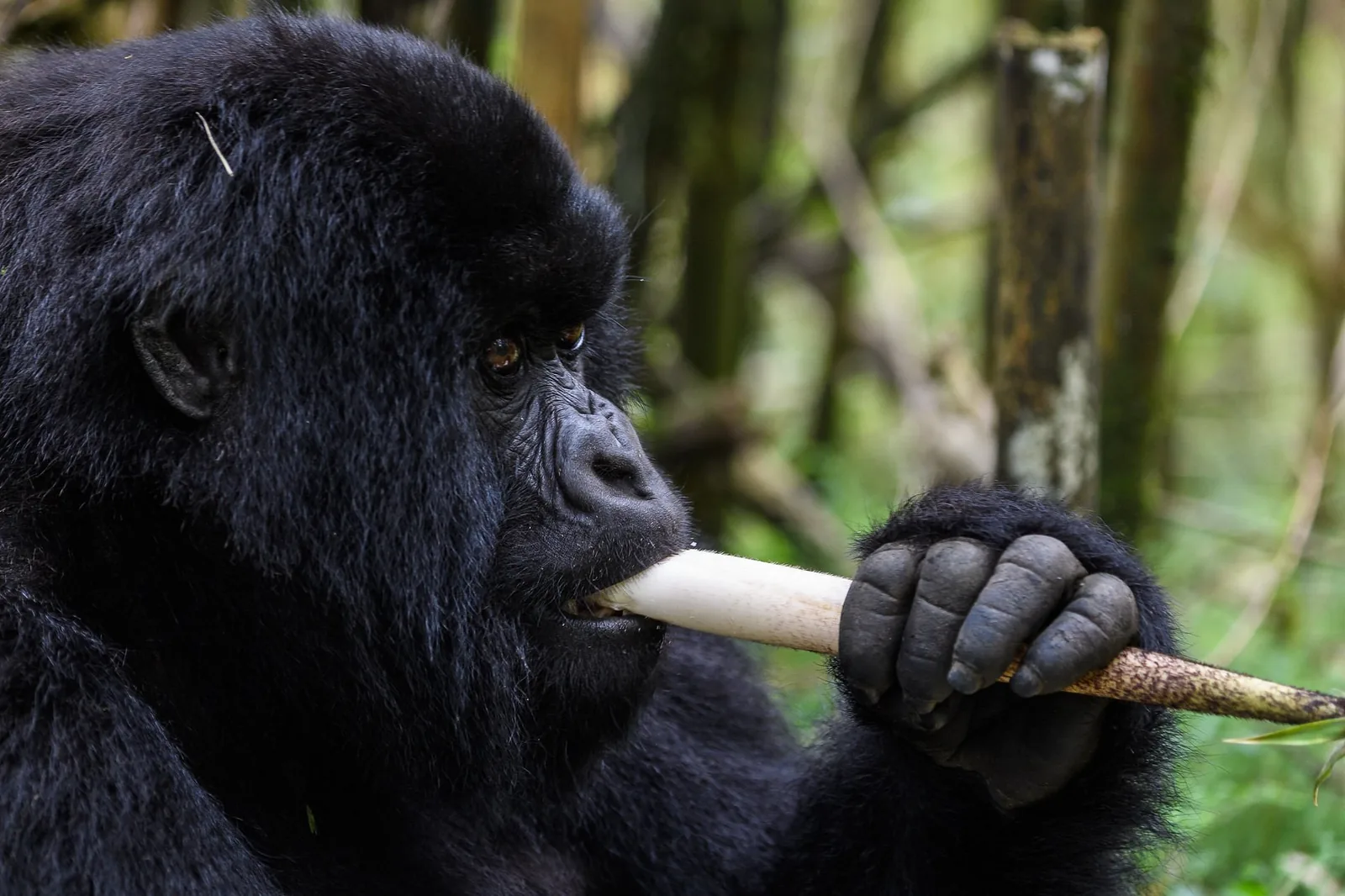
Yes. Treks go ahead in the rain, and many people find the forest atmospheric under a cool mist. The difference is the terrain: paths become slippery, streams swell and the walk can take longer and feel harder. Good waterproof boots, gaiters, gloves and a rain jacket make a real difference, and a walking stick helps on steep sections. Porters are available and especially helpful in wet weather. If you have mobility concerns, discuss them early. Our gorilla trekking fitness and preparation page and Rwanda gorilla trekking guide give practical advice.
Low-Season Advantages
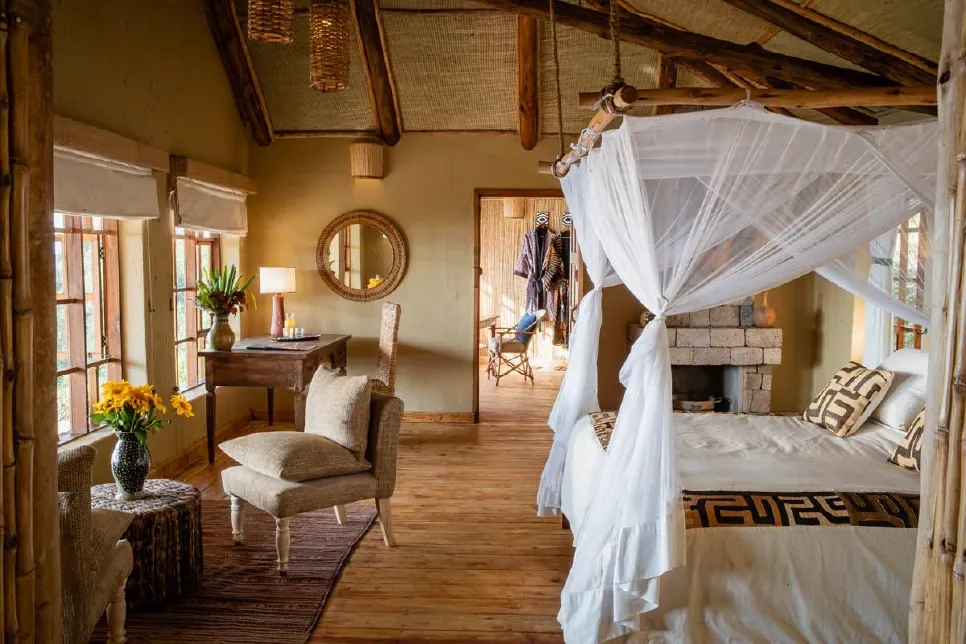
The biggest advantage is calm. Fewer visitors mean more choice of gorilla permit dates, more attentive service at lodges and a quieter feel in Kigali and the volcano country. Many operators and hotels offer flexible arrangements in the green season, and last-minute bookings are more realistic than at mid-year. Scenery is vivid, with terraces and tea slopes at their brightest. Bear in mind that heavy downpours can delay transfers, so avoid tight connections. See Rwanda safari packages guide to understand what packages usually include.
Akagera and Nyungwe in March
Akagera becomes green and the grass grows tall, which can hide smaller animals, but the park is calm and the baby season brings many young antelope. Roads can be slick after storms, so drives may follow drier routes. Nyungwe is a rainforest and is wet in any month, so March is not dramatically different there, though trails are muddier. Chimpanzee trekking remains possible, and the forest sounds and smells are intense. See Akagera wildlife guide and Nyungwe activities.
Coffee, Culture and Cities
March is a good month for indoor and cultural options when showers pass. Visit Kigali museums and the memorial centres, browse craft cooperatives, or learn to cook Rwandan dishes. Coffee cherries begin to ripen in the hills around now, so a farm visit shows the start of the harvest, and tea fields remain productive. Umuganda still takes place on the last Saturday. See memorial sites guide, culture and history itinerary and coffee and tea tours.
A Flexible Five-Day Plan
Choose five days with a buffer: arrive in Kigali, spend a day in the city, then base yourself near the volcanoes for two nights with a spare half-day for the gorilla trek, so you can choose the better weather window. Return to Kigali for a final evening. Do not schedule international flights on the same day as the trek. Our 4-day Rwanda itinerary and 3, 5 and 7 day itineraries offer ready shapes.
What to Pack for March
Bring a proper waterproof jacket, waterproof trousers or a poncho, dry bags for cameras and phones, spare socks, a warm layer and quick-drying clothes. A hat with a brim and insect repellent are also useful. Check health and vaccinations because mosquitoes are more active after rain, and see Uganda in March for the Ugandan comparison.
Planning a Uganda safari? Send us your dates and we will build the route, permits and transport around what you want to see.
Related Tours, Guides and Resources
- Ameera Africa Safaris homepage: Uganda safaris, tours and holidays
- Uganda safari packages
- Uganda travel guide
- How to book a Uganda safari
- Plan your safari with our team
Itineraries That Include This Experience

Frequently Asked Questions
Related Uganda Safari Pages
- Best Time to Visit Rwanda: Dry Seasons, Rainy Seasons and Month-by-Month Tips
- Best Time to Visit Volcanoes National Park: Dry Seasons, Rains and Trekking Conditions
- Rwanda 4 Day Itinerary: Kigali and Gorilla Trekking in Volcanoes National Park
- Rwanda Gorilla Trekking: Volcanoes National Park, Permits, Families and How a Trek Works
- Uganda in March: Weather, Gorilla Trekking, Wildlife and What to Expect
- Rwanda in May: Wet-Season Finale, Coffee Harvest and Quiet Forests
- Rwanda in November: Short Rains, Green Season Value and Cultural Journeys
- Rwanda in October: The Short Rains Begin and the Hills Turn Green
- Rwanda Safari and Travel Guides: Gorillas, Volcanoes, Nyungwe, Akagera and Kigali
Ready to Plan Your Uganda Safari?
Tell us your dates, group size and interests and our Kampala team will reply with a clear, personal itinerary.
Back to the Ameera Africa Safaris homepage for Uganda safari vacations, our featured tours and the latest Uganda park fees.