
Rwanda Group Safari Planning: Friends, Families and Larger Parties
A Rwanda group safari works best when permits and vehicles are settled first, the itinerary leaves room for different fitness levels, and the group is willing to split for one or two activities.
Rwanda is a compact country with good roads, which makes it one of the easier places in East Africa to run a group trip. Distances between Kigali, the volcano country around Musanze, Lake Kivu, Nyungwe and Akagera are manageable, and a single driver-guide team can cover them in a week or so.
Groups bring their own questions, though: how many people fit one gorilla family, what size of vehicle suits ten travellers, and what happens when half the party wants a hard hike and the other half does not. This guide works through those decisions in the order you will meet them.
This guide is part of our Uganda road routes and driving guide. When you are ready to plan, see our Uganda safari packages or the Ameera Africa Safaris Uganda tours homepage.
At a glance
- Best for: Friends, extended families, clubs, small teams
- Typical length: 5 to 10 days
- Gorilla group size: Small groups per habituated family
- Vehicles: 4x4s for small parties, minibuses for larger ones
- Book first: Gorilla permits, then accommodation
Start With Group Size and Mix
Before anything else, decide how many people are travelling and how varied the group is. A party of four to six can usually travel in one 4x4 safari vehicle with a driver-guide, and everyone gets a window. Seven to twelve people normally need either a larger minibus or two vehicles, and above that you are planning a coach-style trip where timings matter more. Think about ages too: gorilla trekking has a minimum age (commonly 15), and not everyone in a multigenerational group will want the same level of effort. Write down who wants what, because the answers drive vehicles, permits and the number of rooms you need to hold.
Choosing Vehicles
In general terms there are three kinds of vehicle. A standard 4x4 safari vehicle with a roof that lifts for viewing suits small parties and is the best choice for game drives in Akagera. A safari minibus or van carries a larger family or friends group in comfort on tarmac roads, and many have pop-up roofs. For bigger parties, a coaster-style bus is practical on main routes but is less suited to rougher park tracks, so groups sometimes pair it with smaller 4x4s for park days. Ask your operator how luggage is carried, whether every seat has a window and whether the vehicle comes with its own driver-guide. See East Africa safari vehicle types for more detail.
Sample 7-Day Group Itinerary
| Day | Plan | Pacing note |
|---|---|---|
| 1 | Arrive in Kigali, transfer, relaxed evening | Keep the first day light so late flights do not matter |
| 2 | Kigali sights and memorial visit, then drive towards Musanze | A good group-bonding day with an easy drive |
| 3 | Gorilla trekking in Volcanoes National Park | Allow the whole day; trekkers return at different times |
| 4 | Golden monkey tracking or a lake and cultural visit, then onward | A gentler day for anyone tired from the trek |
| 5 | Lake Kivu shoreline, boat time and free afternoon | Rest day built in on purpose |
| 6 | Drive towards Nyungwe or return towards Akagera, depending on interests | Choose one, do not try both |
| 7 | Final morning activity, then transfer for departures | Leave margin before any flight |
Read the background for each stop in the Volcanoes National Park guide, the Nyungwe guide and the Akagera guide.
Shorter and Longer Variations
For five days, keep to Kigali and the volcano country: arrive, spend a day in the capital, trek gorillas, add golden monkeys or a cultural visit, and return for departures. It is intense but very rewarding for a group on a long weekend with extra leave. For ten days, add a savanna stop at Akagera for game drives and a boat trip, and a forest stop at Nyungwe for chimpanzee or canopy walks, with a rest day on Lake Kivu between them. A ten-day pace suits families and friends who like to take things slowly. More ideas are in Rwanda 3, 5 and 7 day itineraries and Rwanda 5 and 10 day itineraries.
Gorilla Permits and Splitting the Group
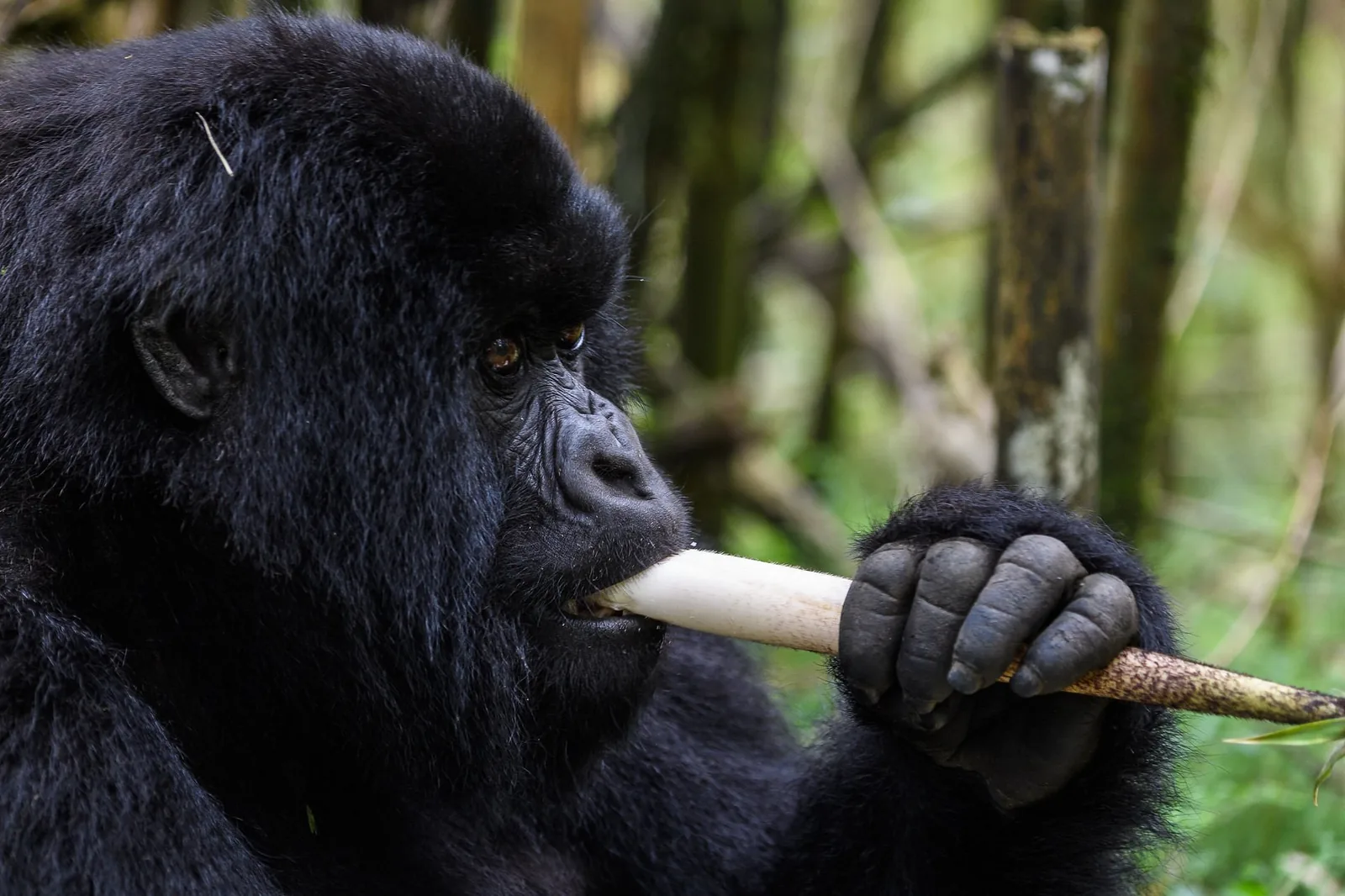
Gorilla trekking is limited to small groups of visitors per habituated family, so a large party is spread across several families on the same morning. This is a feature, not a problem: it keeps each encounter calm. Ask your operator to place people by fitness and age, so that the families with the longer walks have the fittest trekkers. Permits are purchased through the national authority and must be bought ahead of travel, as explained in Rwanda gorilla permits and trekking rules. Gather names exactly as they appear on passports before booking, because permits are issued to individuals.
Splitting Activities Without Splitting the Group
Groups rarely do everything together, and the best itineraries plan for it. On trek day, those not trekking can visit a cultural site, enjoy a lakeside morning or take an easy walk, then everyone meets for dinner and compares stories. Two vehicles with two guides allow a hard-hike party and a gentle-walk party to run in parallel. Agree in advance who pays for what if the group splits, and keep one shared evening activity, such as a sundowner or a cultural performance, so that the trip feels like one journey. The gorilla trek day in the life helps set expectations for the non-trekkers too.
Mixing Accommodation
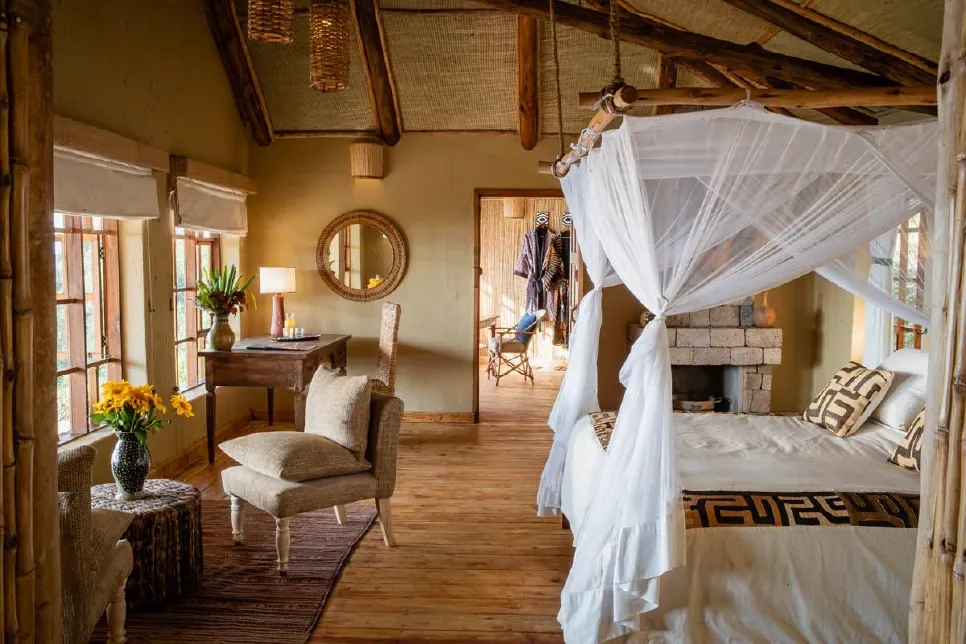
Groups often mix accommodation types: a comfortable hotel in Kigali, a lodge near the volcanoes, a lakeside stay on Kivu and a tented camp or lodge near Akagera or Nyungwe. Where the group is large, check how many rooms each place holds, because small properties may not fit everyone and you may need to split across two. Decide whether you want a mix of room types, such as family rooms, twins and doubles, and whether anyone needs ground-floor access. Ask whether dining can be arranged at one long table, and whether meal times can be adjusted for early starts. Browse where to stay in Kigali and where to stay near the volcanoes.
Booking Order and Group Admin
Sensible order for a group: agree dates and headcount, hold gorilla permits, confirm accommodation, then fix vehicles and extras. Choose one organiser to speak to the operator so instructions do not conflict. Share the practical guides early, including the East Africa visa guide, health and vaccinations and the packing list, so that everyone arrives prepared. A group chat for photos and daily timings is useful. Check whether your operator offers a private departure or a join-in group on fixed dates, which is a different product, covered in small group versus private safaris.
Planning a Uganda safari? Send us your dates and we will build the route, permits and transport around what you want to see.
Related Tours, Guides and Resources
- Ameera Africa Safaris homepage: Uganda safaris, tours and holidays
- Uganda safari packages
- Uganda travel guide
- How to book a Uganda safari
- Plan your safari with our team
Itineraries That Include This Experience

Frequently Asked Questions
Related Uganda Safari Pages
- Rwanda Safari Tours: Gorillas, Chimpanzees, Akagera Big Five and Kigali
- Rwanda Family Itineraries: Safe, Easy Trips for Parents and Children
- Rwanda Gorilla Trekking: Volcanoes National Park, Permits, Families and How a Trek Works
- Best Time to Visit Rwanda: Dry Seasons, Rainy Seasons and Month-by-Month Tips
- Rwanda Travel Guide: Location, Capital, Safety and Top Attractions
- Arusha to Momella Gate and Mount Meru Trailheads: Route and Transfer Guide
- Kampala to Bwindi (Buhoma): Distance, Stops and Travel Time
- Kampala to Rushaga and Nkuringo: Distance, Stops and Travel Time
- Rwanda Safari and Travel Guides: Gorillas, Volcanoes, Nyungwe, Akagera and Kigali
Ready to Plan Your Uganda Safari?
Tell us your dates, group size and interests and our Kampala team will reply with a clear, personal itinerary.
Back to the Ameera Africa Safaris homepage for Uganda safaris, our featured tours and the latest Uganda park fees.