
Kitesurfing in Zanzibar: Winds, Lagoons and the Best Spots
Zanzibar's east and south coasts offer warm water, steady seasonal winds and shallow lagoons, which together make it a favourite kitesurfing destination.
The island sits in the path of the monsoon winds, and its coral-fringed coasts create wide stretches of flat, shallow water at the right tide. Beginners and experienced riders both find suitable conditions.
This guide explains the wind seasons, the main areas, how tides shape your day and how to arrange lessons.
This guide is part of our Uganda park trails and activities guide. When you are ready to plan, see our Uganda safari packages or the Ameera Africa Safaris Uganda tours homepage.
At a glance
- Wind seasons: Two monsoon periods
- Best coasts: East and south
- Water: Tidal lagoons, warm sea
- Lessons: Available at schools
- Key factor: Tide times
Understanding the Winds
Zanzibar has two main wind seasons. The north-east monsoon, locally kaskazi, blows roughly from December to March, and the south-east monsoon, kusi, runs roughly from June to October. Between them, in the rainy transitional months, winds are lighter and less predictable. The strength of the breeze varies by day and by hour, so schools plan sessions around forecasts. Riders who like stronger winds often target the middle of each monsoon period, while beginners may prefer lighter conditions. Ask a local school which months suit your level, because patterns shift from year to year.
Where to Ride
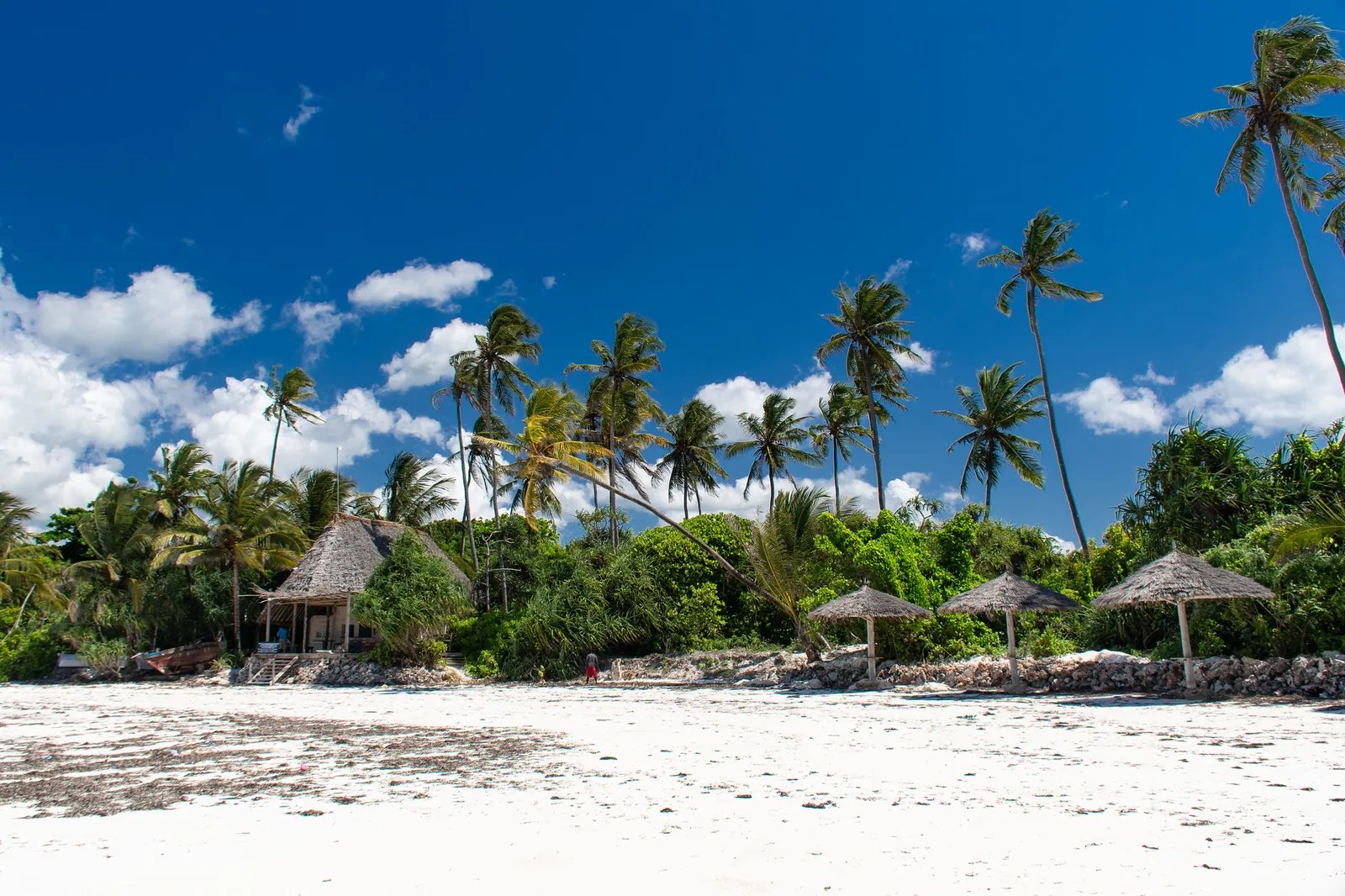
Paje, on the east coast, is the island's best-known kitesurfing village, with a long beach and a broad lagoon. Other east and south coast areas, including Jambiani and Michamvi, also attract riders, and the south offers quieter stretches. The north coast has beautiful beaches, but wind and tide patterns there differ, so check conditions before choosing. See Zanzibar beaches by region for a quick comparison of the coasts, and where to stay on the east coast for the layout of Paje and its neighbours.
Tides and Lagoons
The most important detail on the east coast is the tide. At low tide, the lagoon empties into wide, shallow flats where water is knee- or waist-deep, which gives forgiving, flat conditions for learning. At high tide, deeper water arrives and waves can build near the reef, which suits more experienced riders. Local schools publish tide tables, and your sessions will be timed accordingly. Take care around exposed coral and sea urchins at low tide, wear reef shoes, and ask staff where it is safe to launch and land.
Lessons and Schools
Kitesurfing schools offer beginner courses that typically cover kite control on land, body dragging in the water and then board starts. Lessons are delivered by instructors who use radio helmets and safety systems. Many schools follow an international teaching standard, and experienced riders can arrange coaching, rentals or storage for their own gear. Ask about instructor-to-student ratios, how safety is managed, whether equipment is up to date and how lessons are rescheduled if the wind drops. Allow several days to learn, and treat the first lessons as an introduction rather than a guarantee that you will be riding independently.
Safety and Etiquette
Kitesurfing is exciting and also demanding. Keep clear of swimmers, boats and fishermen, respect launch areas and follow right-of-way rules taught by your school. Wear a harness, helmet and impact vest if your instructor recommends them. Zanzibar is a conservative Muslim society, so cover up when away from the beach, and avoid riding in areas used for fishing or seaweed farming without local guidance. Good insurance that covers watersports is wise. For general health advice, see health and vaccinations.
Combining Kitesurfing With Other Plans
Many kitesurfers split their time between riding and exploring. Stone Town, Jozani Forest and the dolphin trips from Kizimkazi are all within reach of the south and east coasts; see Zanzibar and Stone Town guide, Jozani Forest guide and Kizimkazi dolphin trips. A safari followed by a few days of riding is a popular pattern; see Tanzania safari and Zanzibar combination. Compare with another East African kite spot in kitesurfing in Diani.
What to Pack
Pack a rash vest, board shorts, reef shoes, a hat, high-factor sun protection and a light waterproof jacket for the windy evenings. If you bring your own kite and board, confirm airline baggage rules and whether your school offers storage. Check the Tanzania and Zanzibar practical guide for travel details.
Planning a Uganda safari? Send us your dates and we will build the route, permits and transport around what you want to see.
Related Tours, Guides and Resources
- Ameera Africa Safaris homepage: Uganda safaris, tours and holidays
- Uganda safari packages
- Uganda travel guide
- How to book a Uganda safari
- Plan your safari with our team
Itineraries That Include This Experience

Frequently Asked Questions
Related Uganda Safari Pages
- Zanzibar Beaches by Region: Nungwi, Kendwa, Paje, Jambiani and Matemwe
- Where to Stay on Zanzibar East Coast: Paje, Jambiani, Matemwe and Beyond
- Where to Stay on Zanzibar’s South and East Coast: Paje, Jambiani, Bwejuu and Michamvi
- Kitesurfing in Diani: Wind, Lagoon, Lessons and Seasons
- Kizimkazi Dolphin Trips: Meeting Zanzibar's Dolphins Responsibly
- Moshi Coffee and Waterfall Tours: Chagga Farms on Kilimanjaro's Slopes
- Mto wa Mbu Cultural Tours: Markets, Banana Farms and Village Life Near Lake Manyara
- Tanzania Safari and Travel Guides: Serengeti, Ngorongoro, Kilimanjaro and Zanzibar
Ready to Plan Your Uganda Safari?
Tell us your dates, group size and interests and our Kampala team will reply with a clear, personal itinerary.
Back to the Ameera Africa Safaris homepage for Uganda safaris, our featured tours and the latest Uganda park fees.