
Practical Guide for an East Africa Honeymoon: Visas, Health, Luggage, Permits and Money
Practical planning for an East Africa honeymoon covers visas, permits, health, luggage and money, and getting these right early leaves you free to enjoy the trip.
A multi-country honeymoon involves more paperwork than a single-country holiday, but it is manageable with early planning. Rules change, so rely on official government sources for current visa, health and permit requirements.
This page lists the main topics rather than giving medical or legal advice. It is part of the honeymoon combinations set, and complements the first-time safari guide.
This guide is part of our Uganda road routes and driving guide. When you are ready to plan, see our Uganda safari packages or the Ameera Africa Safaris Uganda tours homepage.
At a glance
- Visas: East Africa Tourist Visa for Kenya, Rwanda, Uganda; Tanzania separate
- Permits: One gorilla permit per country trekked
- Health: Consult a clinic early
- Luggage: Soft bags, light aircraft limits
- Insurance: Medical and evacuation cover
Visas and Entry
The East Africa Tourist Visa covers Kenya, Rwanda and Uganda, while Tanzania requires its own visa. Check eligibility, fees and conditions on the official sites well before travel, and carry printed copies of approvals. Couples with different nationalities should check each passport. See the visa guide and Uganda entry requirements.
Gorilla Permits
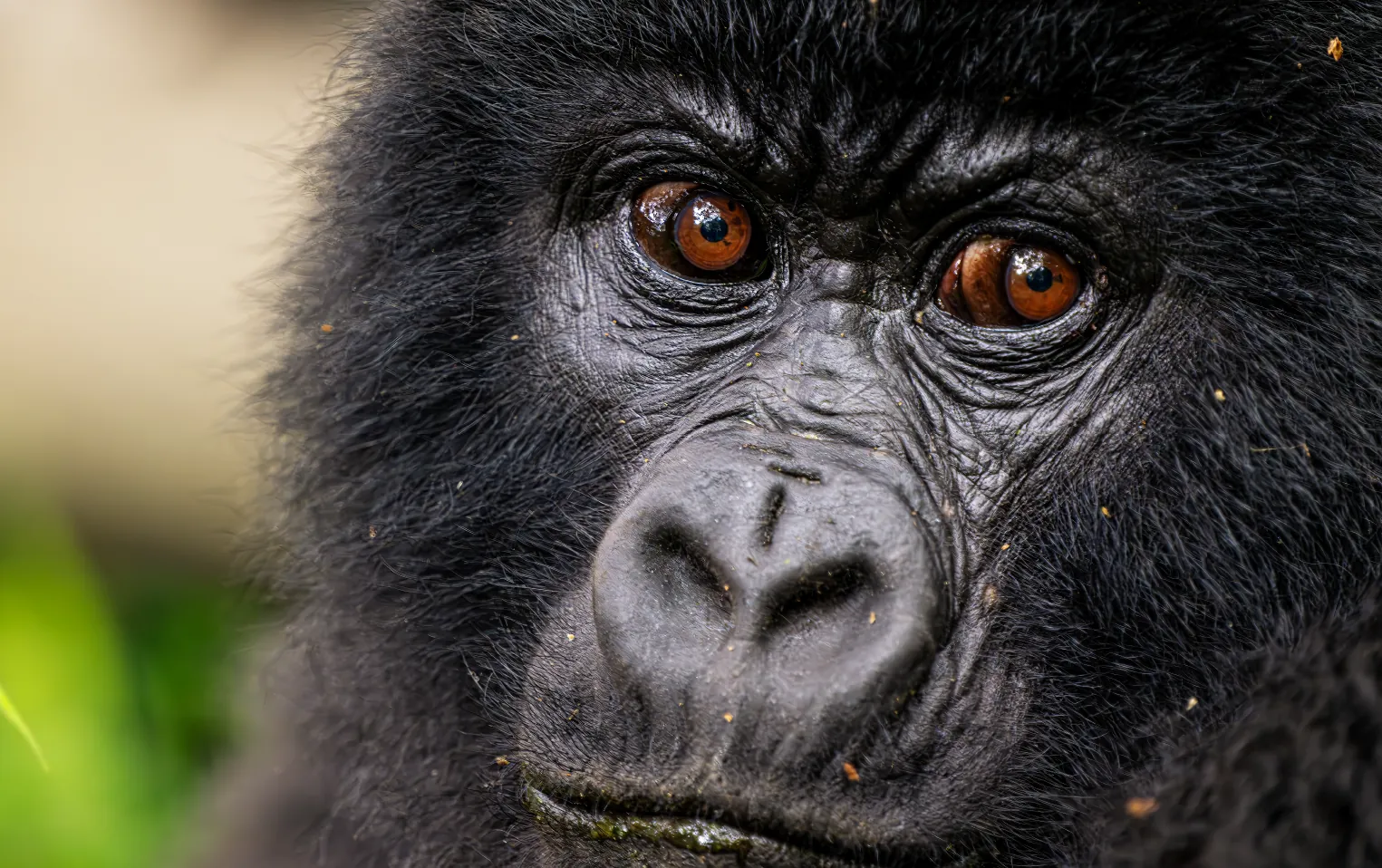
Permits are national. Uganda, Rwanda and the Democratic Republic of the Congo issue their own, so a couple trekking in two countries needs one permit per country. Book well in advance, particularly for dry months. We do not quote permit prices here, and official tariffs apply. Read Uganda gorilla permits explained and Rwanda permits and rules. For any trekking outside Uganda and Rwanda, check current government guidance.
Health
See a doctor or travel clinic for malaria prevention, vaccinations and any personal medication. Yellow fever requirements can depend on your route, so ask. Carry repellent and a small first aid kit. See health and vaccinations and malaria prevention.
Fitness for Trekking
Gorilla trekking can involve steep, muddy trails at altitude. Walk regularly before travel, practise in your boots, and tell your guide if you need a slower pace. Porters can help. See fitness and preparation.
Luggage and Flights
Light aircraft use soft bags with strict limits, so pack lightly. Honeymooners often bring extra items, so ask your operator whether a hotel can store them. See luggage and light aircraft rules.
Money and Insurance
Carry cards and some cash, and confirm tipping norms with your operator. Buy insurance that covers medical treatment, evacuation and trip disruption, and check that activities such as trekking and ballooning are covered. See the money guide and travel insurance guide.
Choosing Romantic Accommodation
Look for properties with private verandas, good views, quiet surroundings and attentive service. Ask whether rooms have bathtubs or outdoor showers, whether dinners can be private and whether the lodge arranges honeymoon touches. Consider the size of the property, as small camps feel more intimate, and check that access is easy for the transfer days. We describe types rather than naming lodges, and your operator will match options to your dates and tastes.
Photography and Keepsakes
Honeymooners often want good photographs of the trip. Bring a camera that suits your skill, spare batteries and memory cards, and a lens suitable for wildlife. Use a dry bag to protect equipment from dust and rain. Ask your guide to help you take photographs together, and consider a small photo book at the end. Respect rules on photography in villages, markets and at borders, and always ask permission before photographing people.
Connectivity and Staying in Touch
Mobile coverage is reliable in cities and patchy in parks. If you want to share the trip, plan to upload photos from lodge wifi, and tell family when you will be out of contact. A local SIM can be useful in towns, and lodges can send messages in an emergency. Download maps and documents before leaving each city, and keep a printed itinerary with your operator's contact details.
Packing for a Honeymoon
Bring neutral safari clothing, sturdy shoes, a warm layer, rain protection and a few smarter items for dinners. See the packing list for a full checklist.
Planning a Uganda safari? Send us your dates and we will build the route, permits and transport around what you want to see.
Related Tours, Guides and Resources
- Ameera Africa Safaris homepage: Uganda safaris, tours and holidays
- Uganda safari packages
- Uganda travel guide
- How to book a Uganda safari
- Plan your safari with our team
Itineraries That Include This Experience

Frequently Asked Questions
Related Uganda Safari Pages
- East Africa Honeymoon Combinations: Uganda, Rwanda, Kenya and Tanzania for Couples
- East Africa Health Guide: Vaccinations, Malaria and Staying Healthy on Safari
- East Africa Safari Packing List: What to Pack for Uganda, Kenya, Tanzania and Rwanda
- East Africa Visa Guide: Uganda, Kenya, Rwanda and Tanzania Entry Rules
- Uganda Gorilla Permits Explained
- East Africa Honeymoon Combination FAQs: Your Questions Answered
- Mount Kenya and Masai Mara Combination: Snow Peaks and Savannah in One Kenya Trip
- Mount Kenya and Masai Mara Short Itinerary: 6 Days of Forest Walks and Big Cats
- East Africa Combination Safaris: Multi-Country Trip Planning Guides
Ready to Plan Your Uganda Safari?
Tell us your dates, group size and interests and our Kampala team will reply with a clear, personal itinerary.
Back to the Ameera Africa Safaris homepage for Uganda safari holidays, our featured tours and the latest Uganda park fees.