
Cycling the Congo Nile Trail: Lake Kivu by Bike From Rubavu to Rusizi
The Congo Nile Trail follows the hills above Lake Kivu on Rwanda's western border, linking Rubavu in the north with Rusizi in the south by tracks and quiet roads that suit mountain bikers and adventurous tourers.
Rwanda is called the land of a thousand hills for good reason, and this route proves it. Expect steep climbs, rewarding descents, tea and coffee terraces, village life and constant views of the lake.
This guide covers the character of the route, how stages are usually divided, fitness and bike choices, seasons, support options and how to fit the ride into a wider Rwanda trip.
This guide is part of our Uganda park trails and activities guide. When you are ready to plan, see our Uganda safari packages or the Ameera Africa Safaris Uganda tours homepage.
At a glance
- Route: Rubavu to Rusizi along Lake Kivu
- Terrain: Hilly, mixed dirt and tarmac
- Duration: Several days, often split into stages
- Fitness: Good, with strong climbing legs
- Support: Guided or self-planned
What the Trail Is
The Congo Nile Trail is a long-distance route that follows the Congo-Nile watershed divide, a ridge separating rivers that flow towards the Congo basin from those draining to the Nile. It runs along the Lake Kivu shoreline hills, and most riders travel from north to south, starting in Rubavu and Gisenyi and finishing near Rusizi. The surface is a mix of rural dirt roads, rough tracks and some paved sections, so it demands a bike and rider ready for variety.
How Stages Are Usually Divided
Itineraries typically break the route into daily stages, with overnight stays in lakeside towns and guesthouses. Common stopping points include Rubavu, Kibuye (Karongi) and Rusizi, with additional overnights in smaller villages for those who want shorter days. Each stage tends to include long climbs and sharp descents, so distance alone says little about effort.
For town context see Kibuye guide, and for road links see Kibuye to Nyungwe and Rusizi to Nyungwe.
Landscape and What You Pass
The ride passes banana groves, tea and coffee plantations, small farms, fishing villages and viewpoints over the lake. Children often run alongside bikes, and local markets offer fruit and snacks. Some sections are remote, so riders must carry water, spare tubes and food. Weather can change quickly in the hills, with morning mist and afternoon rain in the wetter months. See Rwanda coffee and tea tours to link the ride to farm visits.
Fitness, Bikes and Equipment
A good level of fitness is important because of the repeated climbs. Mountain bikes with wide tyres and low gears are the usual choice, and you can often hire bikes and helmets in Rwanda; ask the operator about size, condition and spare parts. Pack padded shorts, gloves, a rain jacket, sun protection and a small repair kit. Electric bikes are sometimes available, so ask about that if you want help on climbs. For wider guidance see cycling and bike safaris in East Africa.
Guides and Support Options
Many riders book a guided or supported package, with a leader, a support vehicle for luggage and logistics handled by a local operator. Independent cyclists can ride unsupported, but they need good maps, offline navigation and flexible accommodation plans. Local guides add value by choosing safe lines, explaining the area and solving problems. Ask what happens if a rider is unwell or a bike breaks, and whether a backup vehicle is available on difficult stages.
Seasons and Safety
The drier months, roughly June to September and December to February, make for firmer tracks and clearer lake views. Heavy rains, mostly March to May and October to November, can leave steep tracks slippery. Wear a helmet at all times, keep to the left or right as locals do, and treat traffic with caution on paved sections. Rwanda is regarded as one of the safer African countries for travellers, but see Rwanda safari safety for current advice. Plan your timing with best time to visit Rwanda.
Fitting the Ride Into Your Trip
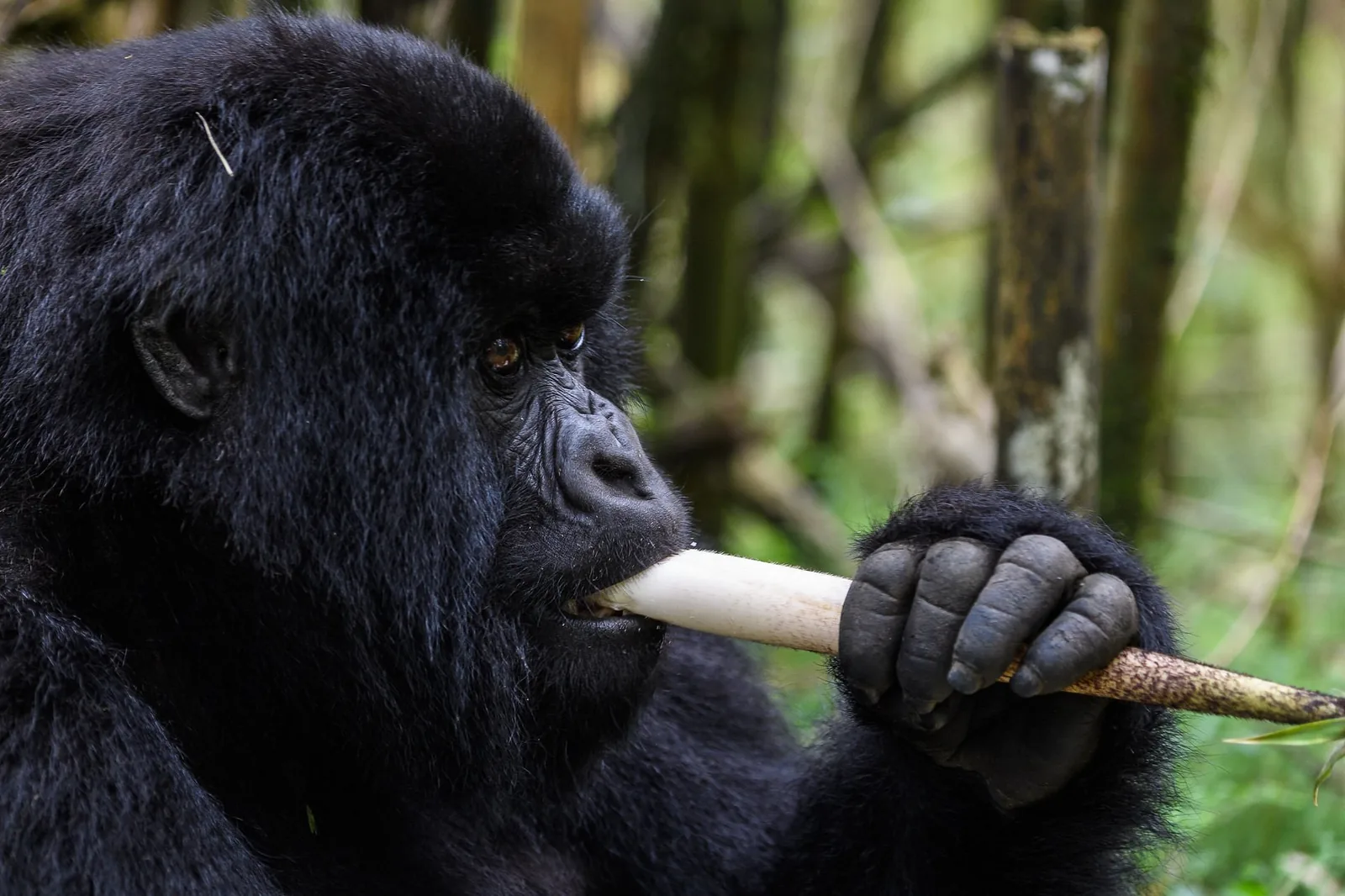
The trail pairs well with gorilla trekking in Volcanoes National Park and chimpanzee or canopy walks in Nyungwe. Many travellers ride a few stages rather than the whole route, which still delivers the scenery and village life. Finish with rest on the shore or a kayak outing, see kayaking on Lake Kivu and Rwanda Lake Kivu itinerary.
Planning a Uganda safari? Send us your dates and we will build the route, permits and transport around what you want to see.
Related Tours, Guides and Resources
- Ameera Africa Safaris homepage: Uganda safaris, tours and holidays
- Uganda safari packages
- Uganda travel guide
- How to book a Uganda safari
- Plan your safari with our team
Itineraries That Include This Experience

Frequently Asked Questions
Related Uganda Safari Pages
- Lake Kivu: Rwanda's Shore Towns, Beaches and Boat Trips
- Rubavu (Gisenyi) Guide: Lake Kivu Beaches, Volcano Views and a Gorilla Trek Add-On
- Kibuye (Karongi) Guide: Lake Kivu's Quiet Shoreline Town of Islands and Hills
- Rwanda Lake Kivu Itinerary: Lakeside Days, Coffee Hills and Forest Edges
- Rwanda Hiking Itinerary: Volcanoes, Karisoke, Nyungwe and the Congo Nile Trail
- Kayaking on Lake Kivu: Paddling Routes, Islands and Lakeside Towns in Rwanda
- Night Drives and Guided Walks in Rwanda: Where They Are Offered and What to Expect
- Volcano Hikes in Rwanda: Bisoke, Karisimbi, Muhabura and Gahinga
- Rwanda Safari and Travel Guides: Gorillas, Volcanoes, Nyungwe, Akagera and Kigali
Ready to Plan Your Uganda Safari?
Tell us your dates, group size and interests and our Kampala team will reply with a clear, personal itinerary.
Back to the Ameera Africa Safaris homepage for Uganda safari vacations, our featured tours and the latest Uganda park fees.