
Birding in Volcanoes National Park: Bamboo, Montane Forest and Albertine Rift Birds
Volcanoes National Park protects the Rwandan slopes of the Virunga volcanoes, and its bamboo and montane forest holds several Albertine Rift birds that can be added to a gorilla or golden monkey trip.
Most visitors come for gorillas, and the park is rightly famous for them. Yet the forest is also home to montane birds, and a few extra hours spent looking up can transform a wildlife trip. The park sits at high altitude, so cool mornings and mist are common, and the birds are different from those of the lowlands.
Birding here is often combined with primate treks. This guide describes what you may see, how to look for it and how to add dedicated birding time before or after your main activity.
This guide is part of our animals of Uganda and East Africa guide. When you are ready to plan, see our Uganda safari packages or the Ameera Africa Safaris Uganda tours homepage.
At a glance
- Habitats: Bamboo, montane forest, open edges
- Best months: Dry seasons, migrants November to April
- Key groups: Turacos, sunbirds, francolins, robin-chats
- How: Birding on treks and short guided walks
- Pairs with: Rugezi, twin lakes, Lake Kivu
Habitats on the Volcano Slopes
| Habitat | Birds to look for |
|---|---|
| Farmland and park edge | Swifts, swallows, raptors, weavers |
| Bamboo zone | Warblers, sunbirds, francolins, thrushes |
| Montane forest | Turacos, robin-chats, flycatchers, sunbirds |
| Higher scrub and open slopes | Hardy birds of cold, windy ground |
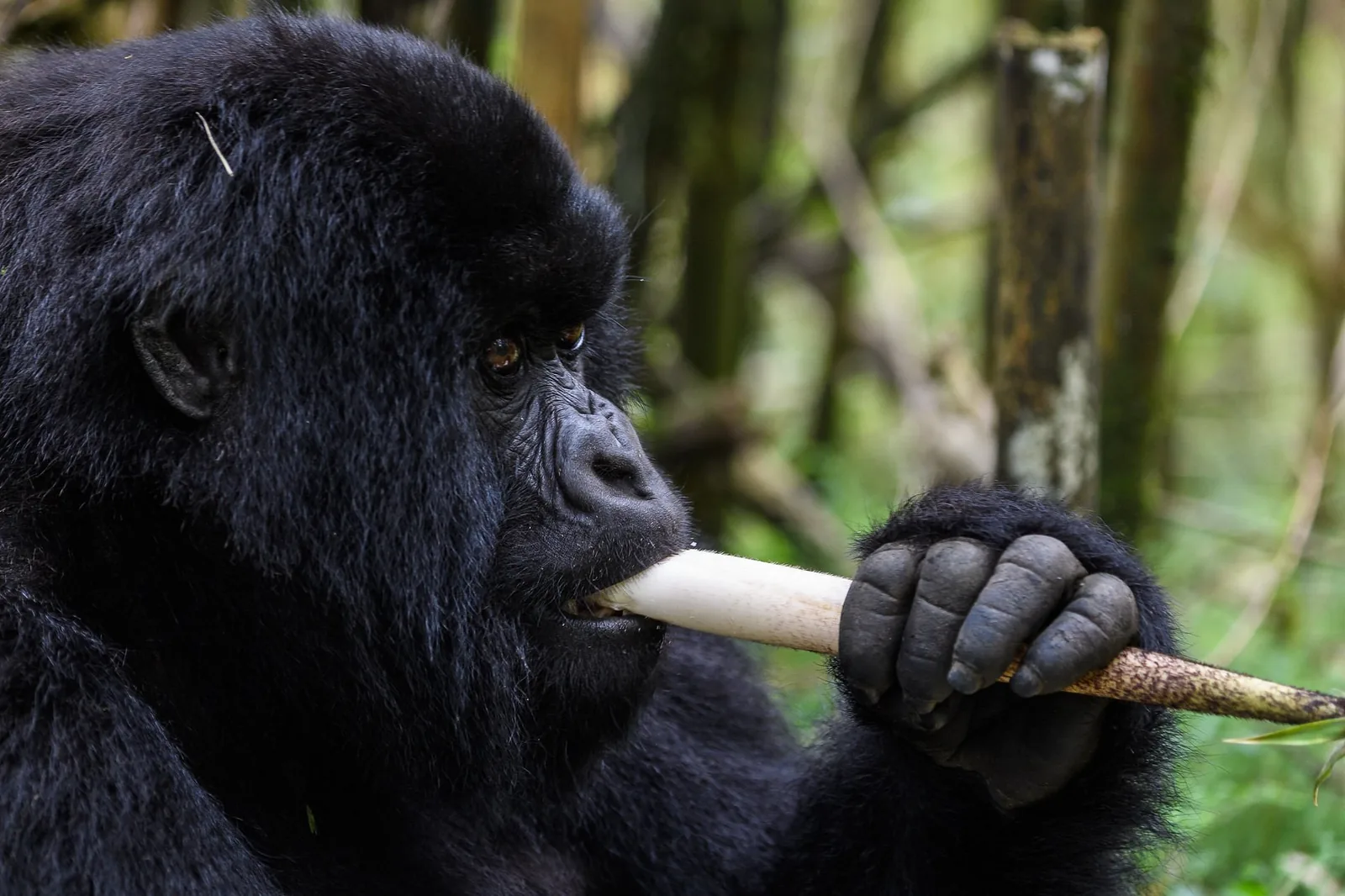
Gorilla and golden monkey treks pass through several of these zones, so birds often appear on the way. Slow down and ask your guide to point out calls while the group waits for the trackers.
Birds of the Forest
Rwenzori turaco and other turacos call from the canopy, sunbirds feed on flowers along the edge, and robin-chats and flycatchers move through the understorey. Handsome francolin forages quietly in dense cover, and dusky crimsonwing is one of several Albertine Rift specialists associated with the higher forest. Mist reduces visibility, so listen for calls. For a closer look at the group, read Albertine Rift endemic birds of Rwanda.
Birding During Primate Treks
You cannot ask a gorilla trek to stop for birds, but trackers and guides will often point out a notable species while you wait. Keep your binoculars handy, and be mindful of rules about distance, noise and group behaviour. Golden monkey tracking in the bamboo is slower and offers more opportunity for birding. See golden monkey tracking in Rwanda and Rwanda gorilla trekking for details of those activities.
Best Months to Visit
Dry seasons give firmer trails and clearer views, though mist can occur in any month. The rains bring slippery paths and heavy cloud, but birds are active and the landscape is lush. Migrants from Europe and Asia add variety to lower areas from about November to April. See Volcanoes best time to visit and the Rwanda birding calendar for more details.
Extra Birding Opportunities
Beyond treks, you can add dedicated birding on forest edges, along lanes in farmland and at nearby lakes and wetlands. A short drive takes you to the twin lakes and to high marshes such as Rugezi, which hold wetland specialists. Evening walks near your accommodation can also reveal garden birds. Early risers may hear turacos and bulbuls from the room window long before breakfast, and a slow lap of the lodge grounds with binoculars often adds several common species to the list. Keep rubbish and food away from wildlife and ask staff which paths are safe to use at dawn. See Volcanoes National Park activities for other options.
Photography and Practical Tips
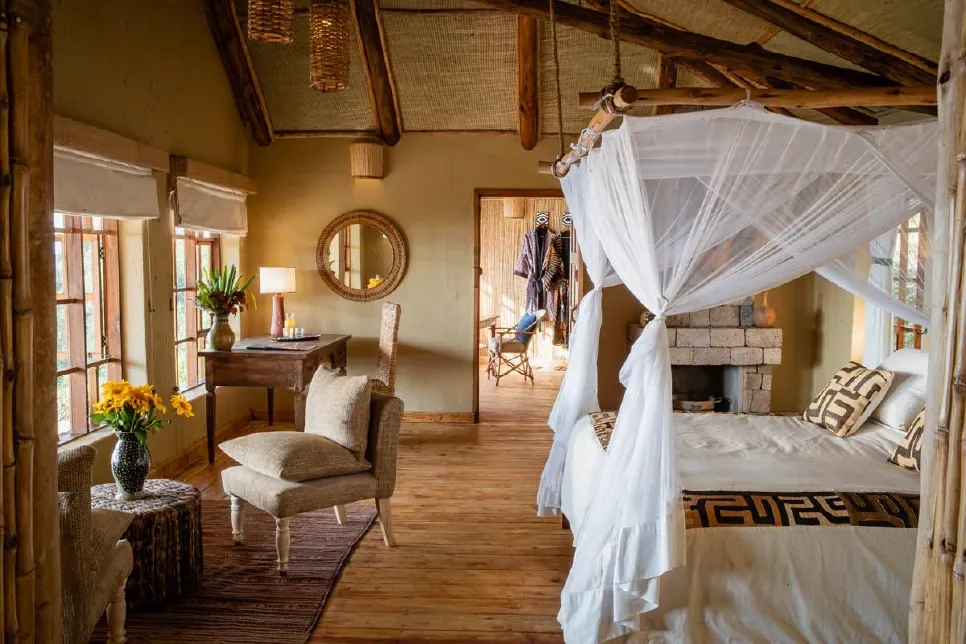
Light is dim in forest and bamboo, so use a fast lens, and protect equipment from damp. Bring warm layers, waterproofs and sturdy boots. Gorilla trek rules limit equipment use near animals, so ask your guide about restrictions on flash and distance. For clothing advice see what to wear for gorilla trekking, and for accommodation types see where to stay near Musanze and Volcanoes.
Combining Volcanoes With Other Stops
The park is the northern anchor of most Rwanda routes. From here, you can travel to Lake Kivu for a relaxed shoreline, or head south to Nyungwe for rainforest endemics. See the Volcanoes National Park guide and the Rwanda birding itinerary for suggested sequences and travel times.
Planning a Uganda safari? Send us your dates and we will build the route, permits and transport around what you want to see.
Related Tours, Guides and Resources
- Ameera Africa Safaris homepage: Uganda safaris, tours and holidays
- Uganda safari packages
- Uganda travel guide
- How to book a Uganda safari
- Plan your safari with our team
Itineraries That Include This Experience

Frequently Asked Questions
Related Uganda Safari Pages
- Volcanoes National Park, Rwanda: Gorilla Trekking, Golden Monkeys and Dian Fossey Hike
- Volcanoes National Park Wildlife Guide: Mountain Gorillas, Golden Monkeys and Virunga Forest Life
- Albertine Rift Endemic Birds in Rwanda: Where to Find Them and How to See Them
- East Africa Birding Guide: Best Birdwatching Destinations in Four Countries
- Golden Monkey Tracking in Rwanda: What to Expect in Volcanoes National Park
- Rwanda Safari and Travel Guides: Gorillas, Volcanoes, Nyungwe, Akagera and Kigali
- Birding in Arusha National Park: Forest, Lakes and Crater Birds Beneath Mount Meru
- Birding in Katavi National Park: Floodplains, Miombo Woodland and Remote Western Birds
- Birding at Lake Manyara: Flamingos, Pelicans, Storks and Escarpment Raptors
- Animals of Uganda and East Africa: Gorilla, Chimpanzee, Big Five and Bird Fact Guides
Ready to Plan Your Uganda Safari?
Tell us your dates, group size and interests and our Kampala team will reply with a clear, personal itinerary.
Back to the Ameera Africa Safaris homepage for gorilla trekking safaris in Uganda, our featured tours and the latest Uganda park fees.