
Rwanda Conservation Itinerary: Gorillas, Rhinos, Chimpanzees and Community Projects
A conservation-focused Rwanda trip follows the story of gorillas, rhinos, lions and forest protection, and shows how tourism income supports wildlife and nearby communities.
Rwanda is widely recognised for conservation work, from mountain gorilla protection in the Virunga volcanoes to the restoration of wildlife in Akagera and the safeguarding of Nyungwe forest. Visitors can see these efforts first-hand.
The seven and ten day plans below keep the focus on learning, with guided activities, time with rangers and visits that give back to local people.
This guide is part of our Uganda road routes and driving guide. When you are ready to plan, see our Uganda safari packages or the Ameera Africa Safaris Uganda tours homepage.
At a glance
- Best for: Conservation-minded travellers
- Length: 7 or 10 days
- Themes: Gorillas, rhinos, forest, communities
- Regions: Volcanoes, Akagera, Nyungwe
- Style: Guided, educational
How Tourism Supports Conservation
Revenue from park permits and activities funds ranger patrols, veterinary care, research and community projects. A share of tourism revenue is directed to communities living near parks, supporting schools, health facilities and water projects, though you should ask your operator how this works in practice. Visiting responsibly means following rules, respecting distances and choosing operators who employ local guides. Read responsible and conservation travel in East Africa for general principles.
Seven-Day Itinerary
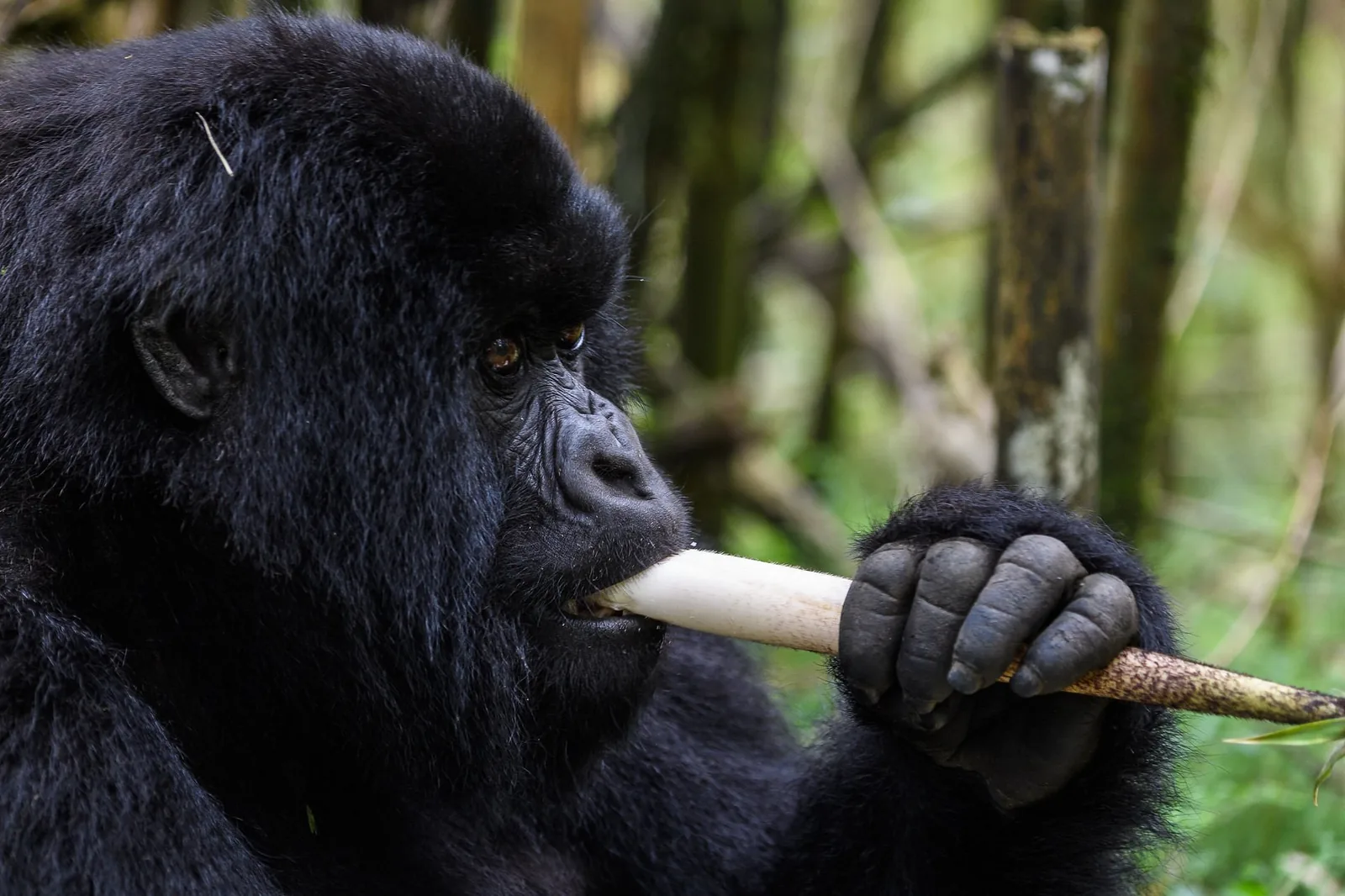
Day 1: arrive in Kigali. Day 2: visit the capital and drive to Musanze. Day 3: gorilla trek in Volcanoes National Park, with a ranger talk on monitoring and protection. Day 4: golden monkey tracking or a visit to the Karisoke area, where long-term research began. Day 5: transfer to Akagera. Day 6: game drives and a boat trip, with time to learn about the park's restoration. Day 7: return to Kigali and depart. See Dian Fossey and the mountain gorillas.
Ten-Day Itinerary
Add Lake Kivu and Nyungwe. After the volcanoes, travel by the lake road to Nyungwe for chimpanzee tracking and forest walks, learning about the forest's water catchment role and primate monitoring. Return via Kigali and end with Akagera, or reverse the order. The extra days allow a less rushed experience and more conversations with rangers and guides. See the Nyungwe wildlife guide.
Akagera's Recovery
Akagera was once heavily affected by poaching and settlement pressure, and in recent years lions and rhinos have been reintroduced and the park has been managed in partnership with an international conservation organisation. Game drives and night drives now reveal a wide variety of animals. See Akagera National Park and Akagera wildlife.
Community Connections
Visit a cultural village, a cooperative that makes baskets or coffee, or a community walk to see how people live alongside protected areas. Ask for visits that are arranged with community consent and where income stays local. See coffee and tea tours and Rwandan culture and etiquette.
Preparing and Behaving Well
Keep to trails, never feed animals, avoid trekking when ill because primates can catch human diseases, and follow ranger instructions. Pack neutral clothing and a reusable water bottle. See permits and trekking rules and health and vaccinations.
Choosing the Season
Dry months make travel easier and wet months are green and quiet. Conservation experiences run all year. See best time to visit Rwanda.
Who This Route Suits
This route suits travellers who want to understand how conservation works rather than simply watch animals. It is rewarding for students, retired naturalists, photographers and families with older children who are interested in wildlife. It involves moderate walking and a fair amount of driving, and some activities carry age or fitness limits. If you are mainly interested in gorillas, a shorter trip is enough, but the longer plan adds context that makes each sighting more meaningful.
Questions to Ask Your Operator
Ask how local guides are employed and trained, how revenue is shared with communities and whether the lodges use local suppliers. Ask which activities have limits on group size, and how rules are enforced. A good operator will welcome these questions and explain the answers clearly. You can also ask whether your trip includes a talk by a ranger or researcher, and how to take part in responsible ways such as reducing plastic use and respecting wildlife distances.
Planning a Uganda safari? Send us your dates and we will build the route, permits and transport around what you want to see.
Related Tours, Guides and Resources
- Ameera Africa Safaris homepage: Uganda safaris, tours and holidays
- Uganda safari packages
- Uganda travel guide
- How to book a Uganda safari
- Plan your safari with our team
Itineraries That Include This Experience

Frequently Asked Questions
Related Uganda Safari Pages
- Responsible Safari Travel in East Africa: Conservation, Communities and Ethical Choices
- Dian Fossey and the Mountain Gorillas: The Woman Who Studied Gorillas
- Akagera Wildlife Guide: Lions, Black Rhinos, Elephants, Giraffes and Lake Birds
- Nyungwe Wildlife Guide: Chimpanzees, Colobus Monkeys, Primates and Albertine Rift Birds
- Rwanda Gorilla Permits and Trekking Rules: How They Work and What to Expect
- Rwanda Culture and History Itinerary: Kigali, Memorials, Royal Heritage and Village Life
- Rwanda Family Itineraries: Safe, Easy Trips for Parents and Children
- Rwanda Hiking Itinerary: Volcanoes, Karisoke, Nyungwe and the Congo Nile Trail
- Rwanda Safari and Travel Guides: Gorillas, Volcanoes, Nyungwe, Akagera and Kigali
Ready to Plan Your Uganda Safari?
Tell us your dates, group size and interests and our Kampala team will reply with a clear, personal itinerary.
Back to the Ameera Africa Safaris homepage for Uganda safaris, our featured tours and the latest Uganda park fees.