
Mahale Mountains National Park FAQs: Chimpanzees on Lake Tanganyika
Mahale Mountains National Park is a remote forested range on the shore of Lake Tanganyika, home to one of Africa's best chimpanzee viewing experiences.
Mahale has no road access, so visitors arrive by boat or small plane and stay at lakeside camps. The setting of forest, mountains and clear water is exceptional.
These answers explain how a visit works and what to expect.
This guide is part of our Uganda facts and travel information guide. When you are ready to plan, see our Uganda safari packages or the Ameera Africa Safaris Uganda tours homepage.
At a glance
- Region: Western Tanzania, Lake Tanganyika
- Known for: Chimpanzee trekking
- Access: Light aircraft or boat
- Best months: Dry season
- Extra: Swimming and snorkelling
Chimpanzees
Why is Mahale special for chimpanzees?
Researchers have studied the chimpanzees here for decades, and habituated communities allow trekking in a wild forest setting. See Gombe and Mahale trekking.
How does trekking work?
Trackers locate the chimps each morning, and small groups walk to them, spending a limited time. Terrain can be steep, so fitness helps.
Getting There
How do I reach Mahale?
Most visitors fly by light aircraft from other Tanzanian airports or take a long boat journey from Kigoma. See Lake Tanganyika guide.
How many nights should I stay?
Three or more nights allow treks on several mornings and time to relax by the lake.
Seasons
When is the best time to go?
The drier months, roughly May to October, are easiest for trekking, as chimps are often lower down. See best time to visit Tanzania.
What is the climate like?
Warm and humid on the shore, cooler higher up.
Other Activities
What else is there to do?
Swimming, kayaking, snorkelling among colourful fish and walks to viewpoints are common activities. Other primates include red colobus and yellow baboons. See primates guide.
Can I combine it with Katavi?
Yes, a savanna and forest combination is popular. See Katavi FAQs.
Rules and Health
Are there rules for chimp viewing?
Yes, you keep distance, wear a mask if required and avoid trekking when ill. See primate tracking rules.
What medical precautions are needed?
Malaria is present, so see health and vaccinations.
Packing
What should I bring?
Light layers, boots, gloves and swimwear. See the packing list.
Is it suitable for children?
Age limits apply, so check in advance.
Planning and Experience
What is the accommodation like?
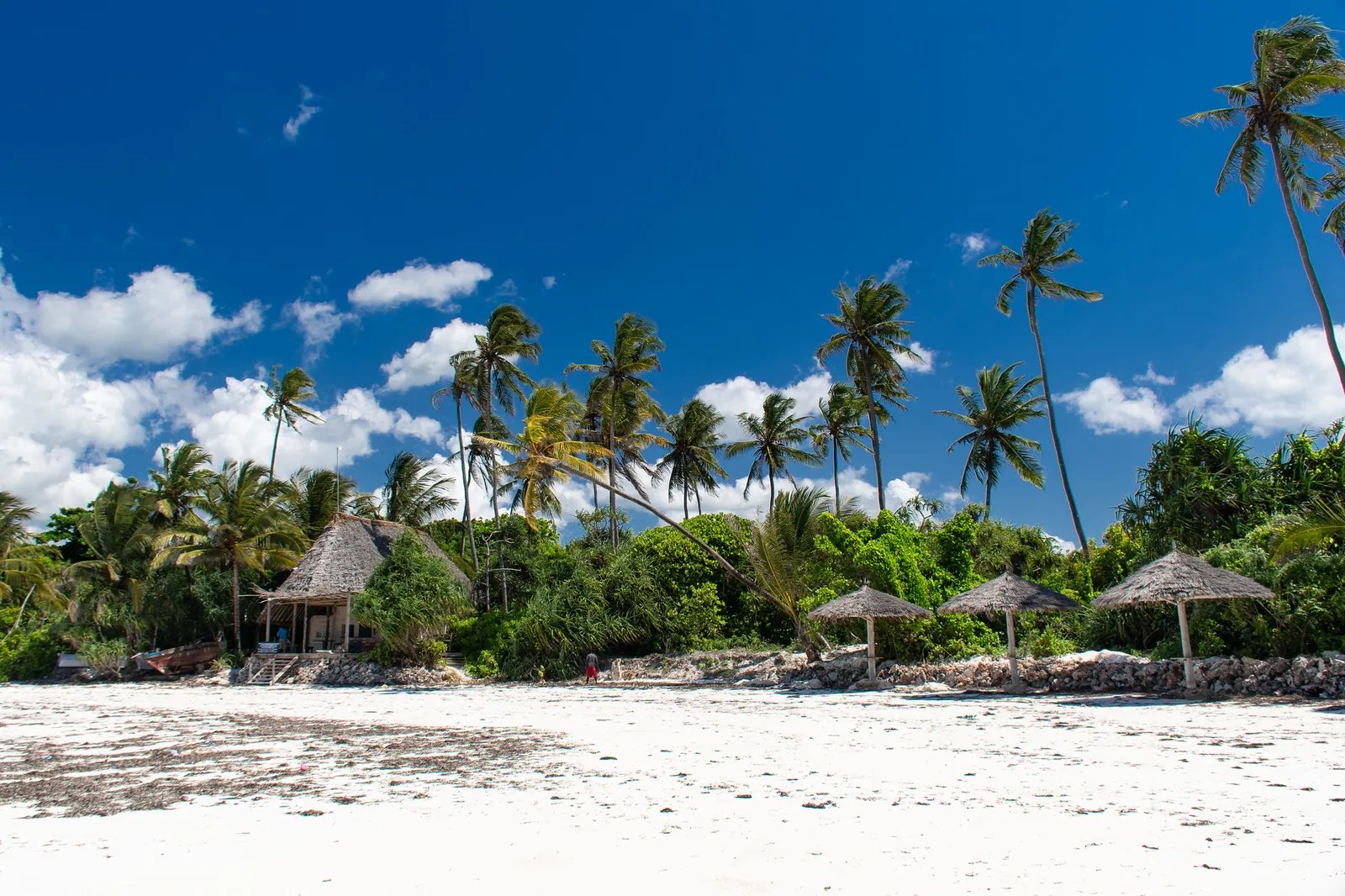
Mahale has a handful of remote lakeside camps, usually on the beach beneath forested slopes. Rooms are simple but characterful, with lake views and meals served on the sand. Most camps arrange treks, boat outings and swimming for guests.
What is a typical day like?
Mornings begin with a trek to find the chimpanzees, after which you return to camp for lunch and a rest. Afternoons are for kayaking, snorkelling or fishing with local boatmen, with sunset drinks on the beach.
Is Mahale good for photographers?
Yes, though the forest is dim and the animals move. Bring a fast lens, a spare battery and a rain cover. See safari photography tips.
Visitor Tips
How can I prepare for the heat and humidity?
Wear light, quick-drying clothes, carry plenty of water and pace yourself on slopes. A small towel and a spare shirt help, and trekking sticks supplied by camps can steady you on slippery ground.
Planning a Uganda safari? Send us your dates and we will build the route, permits and transport around what you want to see.
Related Tours, Guides and Resources
- Ameera Africa Safaris homepage: Uganda safaris, tours and holidays
- Uganda safari packages
- Uganda travel guide
- How to book a Uganda safari
- Plan your safari with our team
Itineraries That Include This Experience
Frequently Asked Questions
Related Uganda Safari Pages
- Gombe and Mahale Chimpanzee Trekking in Tanzania: Lake Tanganyika's Remote Forests
- Lake Tanganyika: Location, Map, Depth and Chimpanzees at Gombe and Mahale
- Tanzania Travel Guide: Where It Is, Capital, Map, Parks and Best Time to Visit
- Chimpanzees in Africa: Where They Live and the Best Places to See Them
- Mikumi National Park FAQs: Wildlife, Access from Dar es Salaam and Planning
- Mkomazi National Park FAQs: Rhinos, Wild Dogs and North-Eastern Tanzania
- Ngorongoro Crater FAQs: Wildlife, Descent, Timing and Planning
- Tanzania Safari and Travel Guides: Serengeti, Ngorongoro, Kilimanjaro and Zanzibar
Ready to Plan Your Uganda Safari?
Tell us your dates, group size and interests and our Kampala team will reply with a clear, personal itinerary.
Back to the Ameera Africa Safaris homepage for Uganda safaris, our featured tours and the latest Uganda park fees.