
Vultures in East Africa: Species Profile, Role and Conservation
Vultures are the clean-up crew of the savanna, and East Africa is home to several species that have declined sharply in recent decades, mainly through poisoning.
A vulture circling over the plains tells a guide that something has died, and soon dozens of birds may arrive from kilometres away. These birds are easy to overlook, but they provide a vital service by removing carcasses before disease can spread.
This profile introduces the main East African species, how they feed and live, and why conserving them matters.
This guide is part of our animals of Uganda and East Africa guide. When you are ready to plan, see our Uganda safari packages or the Ameera Africa Safaris Uganda tours homepage.
At a glance
- Common species: White-backed, Rüppell's, lappet-faced, hooded
- Role: Scavengers
- Nesting: Trees and cliffs
- Biggest threat: Poisoning
- Where to look: Serengeti, Mara, Murchison, Queen Elizabeth
Species You May Meet
The white-backed vulture is the commonest on the savanna, a mid-sized brown bird with a white lower back that shows in flight. Rüppell's vulture is similar but speckled with scaled feathers, and nests on cliffs. The lappet-faced vulture is a huge bird with a bare pink head and folds of skin, and it dominates carcasses. The hooded vulture is smaller and slender and often visits towns and villages. The white-headed vulture is rarer and the palm-nut vulture, a black-and-white bird, feeds on oil-palm fruit rather than carrion in some lowland areas.
How Vultures Feed
Vultures soar on thermals and use sharp eyesight and the movements of other birds to locate carcasses. Species divide the work. Lappet-faced vultures tear open tough hides, white-backed vultures feed on soft meat and viscera and hooded vultures pick scraps. Their bare heads stay cleaner when feeding, and their stomach acid is strong enough to deal with bacteria that would harm other animals. A crowd at a kill can look chaotic, but there is an order, with larger birds feeding first.
Social Life and Nesting
White-backed vultures nest in colonies in the crowns of acacia trees, while lappet-faced vultures nest alone on flat treetops. Rüppell's vultures use cliffs in colonies. Vultures usually lay a single egg and raise one chick a year, a slow reproduction rate that makes populations vulnerable. Chicks are fed by regurgitation and take months to leave the nest.
Threats and Conservation
African vultures have declined dramatically in recent decades, and several species are now critically endangered. Poisoning is the leading cause, including carcasses laced with poison to kill lions or hyenas that attack livestock, and poison used by poachers to hide illegal kills, because circling vultures reveal a poached carcass to rangers. Other threats include collisions with power lines, loss of nesting trees and persecution. Conservation work includes ranger training, community education about poisoning and monitoring of nests. Read more in responsible and conservation travel.
Where to See Vultures
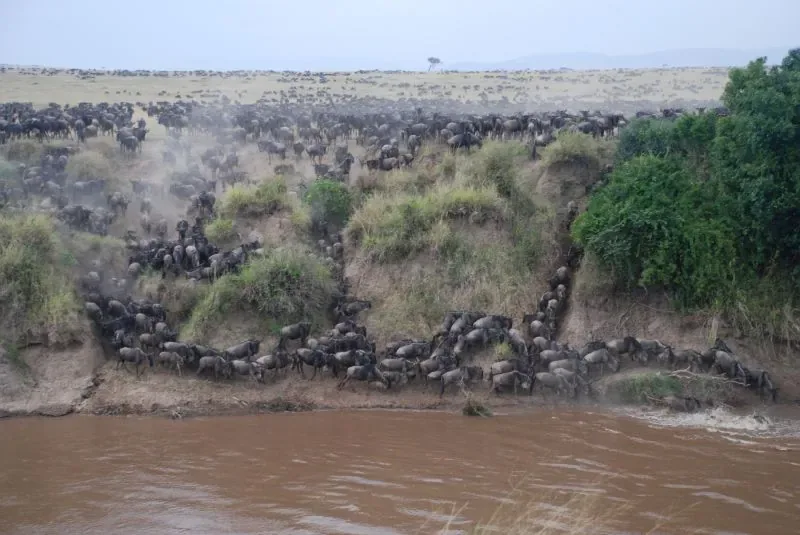
Large numbers gather in the Serengeti and Masai Mara, especially during the migration season when carcasses are plentiful. In Uganda, look in Murchison Falls, Queen Elizabeth and Kidepo Valley. Dead trees near waterholes serve as roosts, so a quiet stop in the early morning may reveal birds warming up before taking off.
Photography and Viewing Tips
The best moments are the arrival at a carcass and the flight of birds lifting off with wings spread wide. Use a fast shutter speed and burst mode, and ask your guide to position the vehicle with the sun behind you. Keep a respectful distance, because disturbance can make birds leave a meal unfinished. See safari photography tips and game drives explained.
Related Species
Marabou storks often join vultures at carcasses; see the marabou profile. Compare with hornbills and other birds in the Uganda birds guide and the East Africa wildlife guide.
Planning a Uganda safari? Send us your dates and we will build the route, permits and transport around what you want to see.
Related Tours, Guides and Resources
- Ameera Africa Safaris homepage: Uganda safaris, tours and holidays
- Uganda safari packages
- Uganda travel guide
- How to book a Uganda safari
- Plan your safari with our team
Itineraries That Include This Experience
Frequently Asked Questions
Related Uganda Safari Pages
- East Africa Wildlife Guide: Animals You Can See in Uganda, Kenya, Tanzania and Rwanda
- Serengeti National Park: Location, Wildlife, Migration and Best Time
- Murchison Falls National Park: The Falls, the Nile & Big Game
- Birds of Uganda: Species Guide, Endemics and Best Birding Sites
- Weaver Birds in East Africa: Species Profile, Nests and Where to Watch Them
- Bee-eaters in East Africa: Carmine, Little and Blue-cheeked Species Profile
- Kingfishers in East Africa: Pied, Malachite, Giant and Woodland Species Profile
- Animals of Uganda and East Africa: Gorilla, Chimpanzee, Big Five and Bird Fact Guides
Ready to Plan Your Uganda Safari?
Tell us your dates, group size and interests and our Kampala team will reply with a clear, personal itinerary.
Back to the Ameera Africa Safaris homepage for Uganda safari packages, our featured tours and the latest Uganda park fees.