
Solo and Female Travel in Tanzania: Safety, Safari Options and Practical Tips
Tanzania welcomes solo and female travellers, and an organised safari with a reputable operator is one of the easiest and safest ways to see the country on your own.
Travelling alone can be liberating, but on safari the practicalities matter: someone has to drive, plan and share costs. Many solo travellers join small groups, while others book a private guide and enjoy complete control.
This page covers the main options, how to stay comfortable and what women travelling alone often ask.
This guide is part of our Uganda facts and travel information guide. When you are ready to plan, see our Uganda safari packages or the Ameera Africa Safaris Uganda tours homepage.
At a glance
- Options: Private or small-group
- Cost factor: Single supplements
- Dress: Modest, especially on Zanzibar
- Safety: Use reputable operators
- Tip: Share your itinerary
Choosing How to Travel
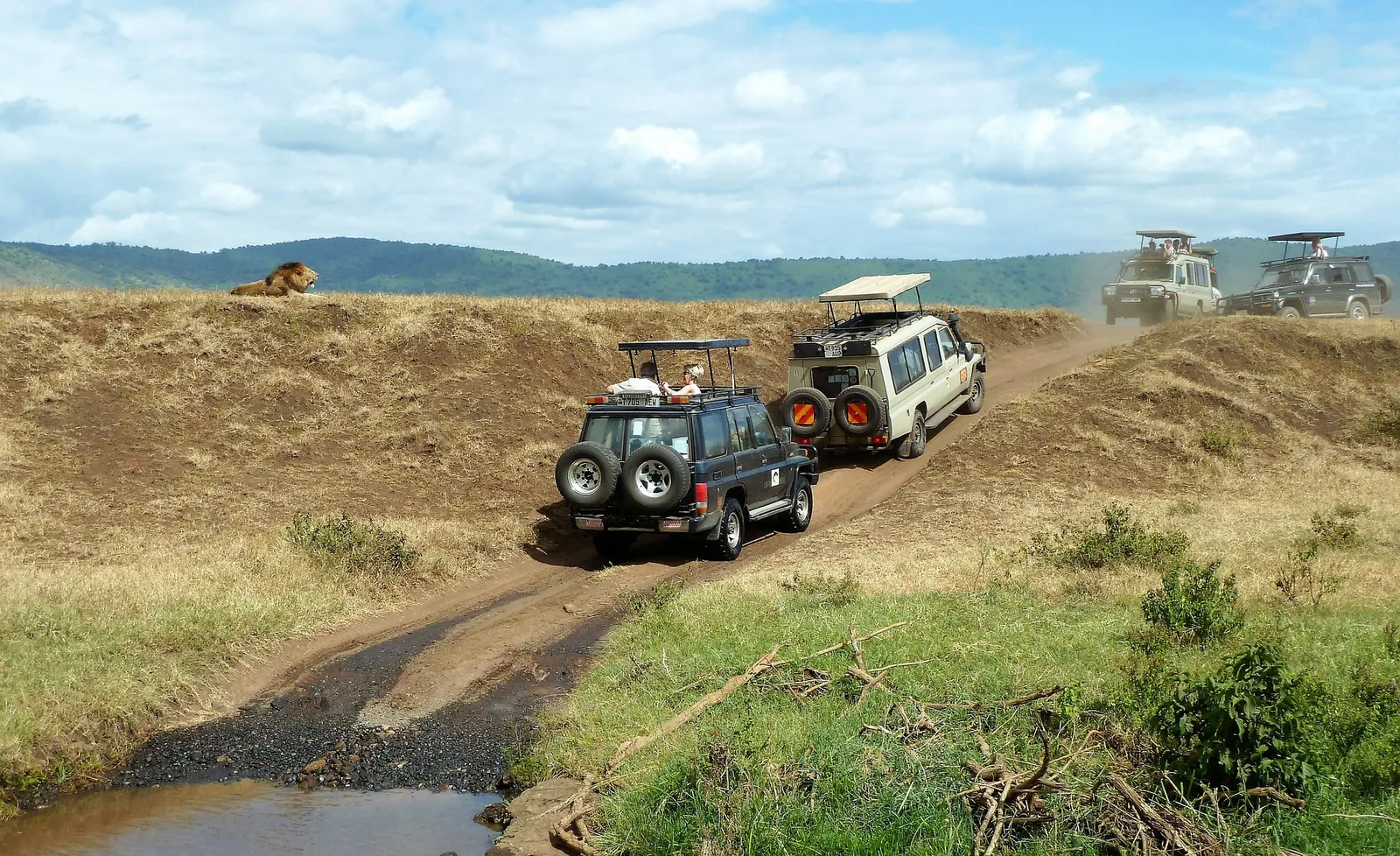
Solo travellers usually pick between a private safari and a joining departure. A private trip gives you a guide and vehicle to yourself, which suits photographers, writers or anyone who wants to move at an individual pace. It can cost more per person than sharing, so ask how single supplements are handled.
A small-group departure introduces you to other travellers and shares costs. Check the maximum group size and who else is booked. Our page on small-group and private safaris compares the two, and safari cost factors explains what shapes the price.
Safety in Practice
Safaris are structured, with transfers, guides and camp staff looking after you. Most visitors experience warm hospitality, but ordinary precautions apply. Keep valuables out of sight in towns, use hotel safes, avoid walking alone at night in cities and agree on transport with your operator or hotel rather than hailing unknown vehicles.
Check official travel advice before booking and share your itinerary with someone at home. Carry a copy of your passport and insurance details separately from the originals. Learn the basics of health and vaccinations and keep your phone charged.
Tips for Women Travelling Alone
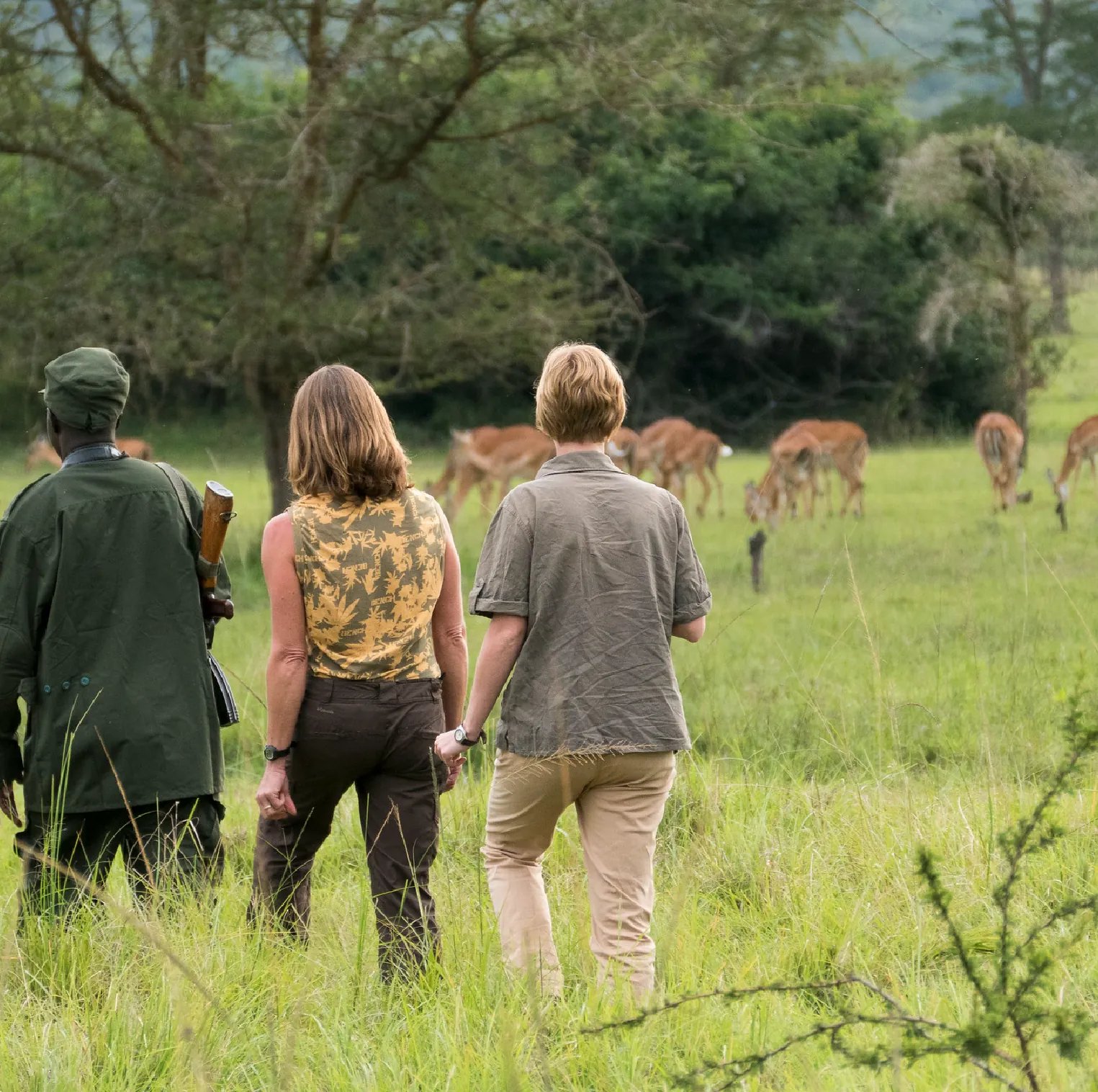
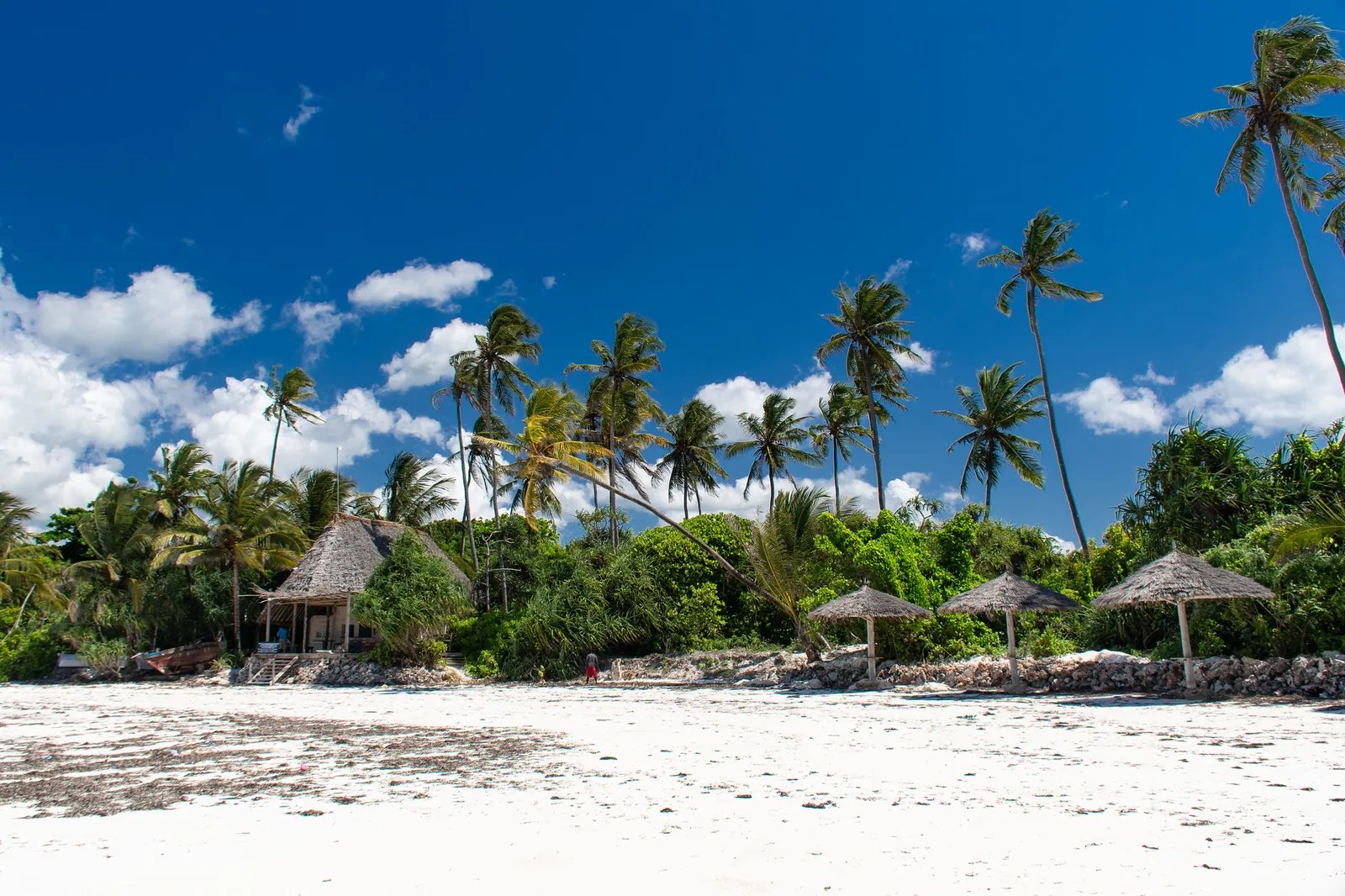
Many women travel alone in Tanzania without difficulty. Dress modestly in towns and villages, with loose clothing that covers shoulders and knees, and carry a light scarf. This is particularly respectful on Zanzibar, where the culture is largely Muslim. See what to wear on safari and the Zanzibar practical guide.
If a situation feels uncomfortable, trust your instinct and speak to your guide or lodge manager. Ask whether your guide can be a woman if that matters to you, since some operators can arrange it. Choose accommodation with good reviews from solo travellers and ask about security and lighting at night.
Staying Social and Comfortable
Camps often seat guests together at communal dinners, which makes it easy to meet people. If you prefer privacy, say so and request a table for one. Bring a book, a journal and a camera to enjoy quiet moments around the fire.
Single rooms are limited in some camps, and you may be offered a double for single use. Ask about this when booking so that the price is transparent. See accommodation types for how different places work.
Money, Phones and Connectivity
Carry some cash for tips and small purchases, and ask your operator which cards work where. Our money guide and tipping guide explain how this typically works. Mobile coverage is good in towns but patchy in parks, so download maps and entertainment before you go and tell family when you may be out of contact.
Choosing a Reputable Operator
Your operator matters more when you travel alone, because they are your main support network. Look for companies with clear itineraries, responsive communication, transparent pricing and experienced guides. Ask about emergency procedures, how they handle delays and whether a staff member is reachable around the clock. Read recent traveller feedback and ask the company how many solo travellers it hosts each year.
A good operator will also explain the practical details that make solo travel smooth, such as who meets you at the airport, how transfers are arranged and what happens if a flight is cancelled. See East Africa safari FAQs for other questions worth asking.
Building a Solo Itinerary
A balanced route might start in Arusha, visit Tarangire and the Ngorongoro Crater, continue to the Serengeti and finish at the coast. Add a rest day to avoid fatigue, and consider flying between regions. Our Tanzania travel guide offers further route ideas.
Planning a Uganda safari? Send us your dates and we will build the route, permits and transport around what you want to see.
Related Tours, Guides and Resources
- Ameera Africa Safaris homepage: Uganda safaris, tours and holidays
- Uganda safari packages
- Uganda travel guide
- How to book a Uganda safari
- Plan your safari with our team
Itineraries That Include This Experience
Frequently Asked Questions
Related Uganda Safari Pages
- Tanzania Travel Guide: Where It Is, Capital, Map, Parks and Best Time to Visit
- Small-Group vs Private Safaris in East Africa: Which Is Right for You?
- First-Time Safari Guide for East Africa: What to Know Before You Go
- Zanzibar and Stone Town: Beaches, History and Combining With a Safari
- Tanzania Tipping Guide: Who to Tip, When and How on Safari
- Tanzania Visa Guide: Entry Requirements Overview and Where to Check
- What to Wear on a Tanzania Safari: Clothing, Colours and Layers
- Tanzania Safari and Travel Guides: Serengeti, Ngorongoro, Kilimanjaro and Zanzibar
Ready to Plan Your Uganda Safari?
Tell us your dates, group size and interests and our Kampala team will reply with a clear, personal itinerary.
Back to the Ameera Africa Safaris homepage for Uganda safari holidays, our featured tours and the latest Uganda park fees.