
Kinyarwanda Phrases for Travellers: Greetings, Courtesies and Useful Words
A few Kinyarwanda words, especially muraho for hello and murakoze for thank you, will earn warm smiles across Rwanda, where English, French and Swahili are also widely used.
Kinyarwanda is spoken by almost everyone in Rwanda and is the national language. English, French and Kiswahili are official languages as well, so visitors can usually manage, but greetings in the local language are a mark of respect.
This guide gives you the words most likely to be useful, with pronunciation tips and some context for using them.
This guide is part of our Uganda people, culture and history guide. When you are ready to plan, see our Uganda safari packages or the Ameera Africa Safaris Uganda tours homepage.
At a glance
- National language: Kinyarwanda
- Other languages: English, French, Kiswahili
- Hello: Muraho
- Thank you: Murakoze
- Tip: Greet first, then ask
Languages You Will Hear
Kinyarwanda is the language of daily life, family and local markets. English is used in tourism, business and education, French remains in use, and Kiswahili is common in trade. Guides on safari and gorilla treks speak excellent English, and many also speak French. Learning a few Kinyarwanda words costs little and changes the tone of an encounter. For a bigger picture of local life, read our etiquette and customs guide and the wider East Africa culture and people guide.
Greetings
| Phrase | Meaning and use |
|---|---|
| Muraho | Hello, usable at most times of day |
| Mwaramutse | Good morning |
| Mwiriwe | Good afternoon or evening |
| Amakuru? | How are you? or what is the news? |
| Meze neza | I am fine, a standard reply |
| Murabeho | Goodbye |
Courtesies and Basics
| Phrase | Meaning and use |
|---|---|
| Murakoze | Thank you |
| Murakoze cyane | Thank you very much |
| Yego | Yes |
| Oya | No |
| Nyabuneka | Please |
| Amazi | Water |
Pronunciation Tips
Kinyarwanda is written the way it sounds, and vowels are clear and short, much like Spanish or Italian. Stress is usually gentle, so do not worry about emphasis. A few consonant combinations take practice, but guides will gladly correct you, and attempts are warmly received. Listen to how people answer a greeting and copy their rhythm. Do not be shy about repeating a word two or three times. If you want to build confidence before arriving, a short audio lesson or a phrasebook on the flight helps, and you can practise with your guide on the first morning.
Greeting Etiquette
Greetings matter in Rwanda. Take a moment to say hello before asking for something, whether at a shop, a roadside stall or a checkpoint. A handshake is common, and some people support their right forearm with the left hand as a mark of respect. Among friends, a longer exchange of greetings is normal. Asking how someone is, and answering in kind, comes before business. These habits are part of what makes Rwandan hospitality memorable, and you will see them in markets (see crafts and markets) as well as at community events such as umuganda.
Tips for Learning Quickly
You do not need to memorise a long list. Pick four phrases, such as muraho, murakoze, yego and oya, and use them every day until they feel natural. Ask your guide to say each aloud, repeat it back, and write it down the way it sounds to you. Short voice notes on your phone can help if your guide agrees. Notice that Rwandans often answer greetings with warmth and sometimes with a small laugh of delight, which is encouragement rather than mockery. On days when you are tired after trekking, a simple murakoze to porters, drivers and cooks is enough, Keep the tone friendly and unhurried, and do not worry about accents; effort matters far more than accuracy, and every attempt opens a conversation.
Using Phrases in Context
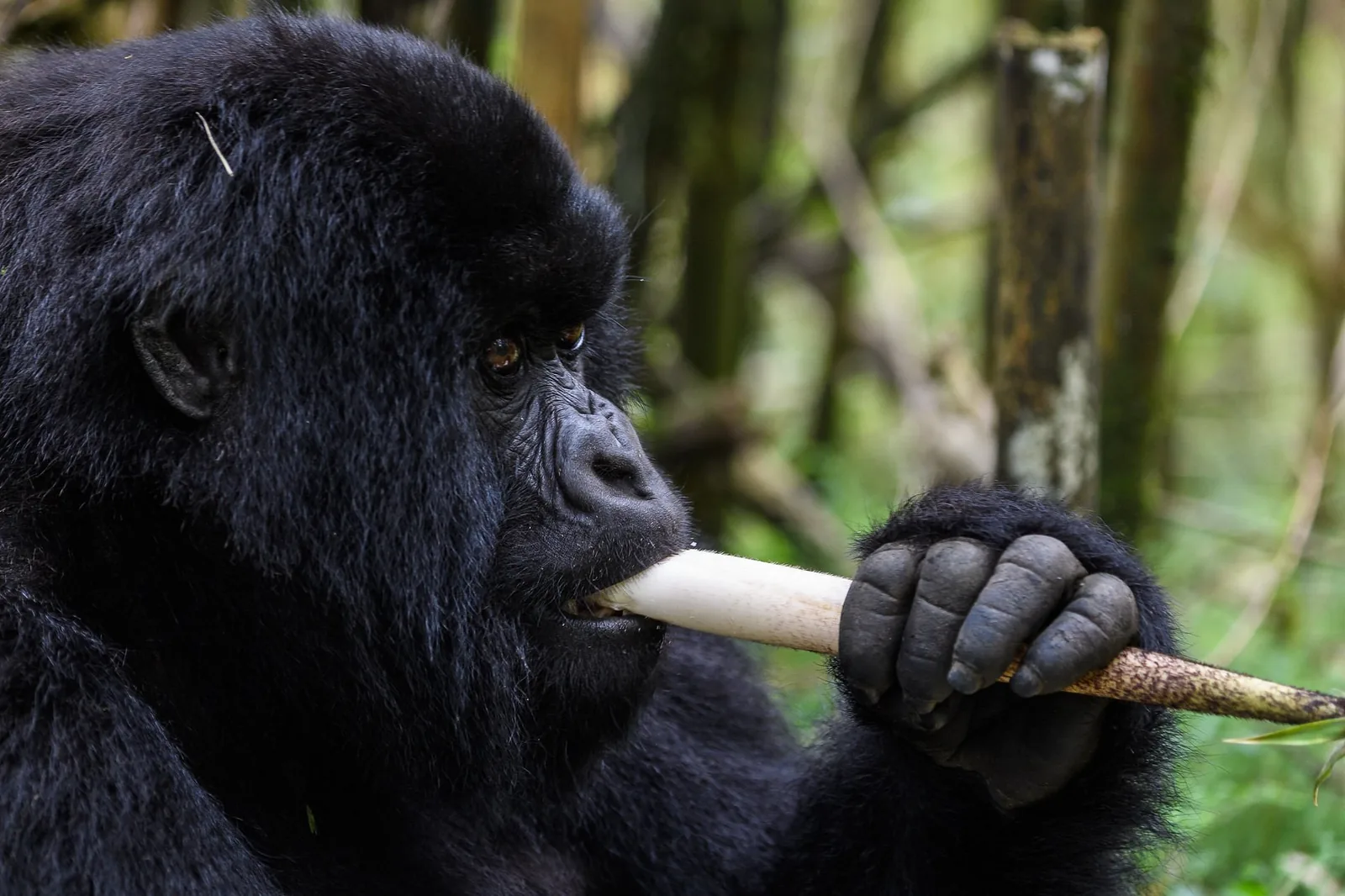
Try greetings with hotel staff, drivers and market sellers. At memorials, a quiet thank you is more appropriate than conversation (see our memorial visitor guide). On a gorilla trek, trackers and porters appreciate a murakoze at the end of a hard hike. Keep a notebook for words you hear, and ask for spellings; Rwandans enjoy teaching. Combine this guide with our Rwanda travel guide for wider planning.
Planning a Uganda safari? Send us your dates and we will build the route, permits and transport around what you want to see.
Related Tours, Guides and Resources
- Ameera Africa Safaris homepage: Uganda safaris, tours and holidays
- Uganda safari packages
- Uganda travel guide
- How to book a Uganda safari
- Plan your safari with our team
Itineraries That Include This Experience

Frequently Asked Questions
Related Uganda Safari Pages
- Rwanda Etiquette and Customs: Greetings, Dress, Photography and Everyday Manners
- East Africa Culture and People: Languages, Customs and Respectful Travel
- Rwanda Travel Guide: Location, Capital, Safety and Top Attractions
- Rwanda Crafts and Markets: What to Buy, Where to Shop and How to Buy Well
- Umuganda Explained: Rwanda's Monthly Community Work
- Kwita Izina: Rwanda's Gorilla Naming Ceremony Explained
- Nyanza Royal Palace Guide: Rwanda's Royal Heritage and Long-Horned Cattle
- Rwanda Safari and Travel Guides: Gorillas, Volcanoes, Nyungwe, Akagera and Kigali
Ready to Plan Your Uganda Safari?
Tell us your dates, group size and interests and our Kampala team will reply with a clear, personal itinerary.
Back to the Ameera Africa Safaris homepage for Uganda safari packages, our featured tours and the latest Uganda park fees.