
Katavi Wildlife Guide: Hippos, Buffalo, Lions, Roan and Sable in Western Tanzania
Katavi National Park in western Tanzania is famed for crowded hippo pods, large buffalo herds, strong lion prides, elephants and antelope such as roan and sable, all seen with very few other visitors.
Remote and seldom visited, Katavi feels like Africa as it once was. Its floodplains and seasonal lakes draw animals in numbers that are especially dramatic late in the dry season, when water is scarce.
This guide explains what to look for, where animals gather and how the seasons change the scene.
This guide is part of our animals of Uganda and East Africa guide. When you are ready to plan, see our Uganda safari packages or the Ameera Africa Safaris Uganda tours homepage.
At a glance
- Water life: Hippos, crocodiles
- Herds: Buffalo, zebra, topi, impala
- Predators: Lions, leopards, hyenas
- Rare antelope: Roan, sable, eland
- Visitors: Very few
Habitats and Animals
| Habitat | Typical animals |
|---|---|
| Katuma River and its pools | Hippos, crocodiles, waterbirds, elephants |
| Chada and Katavi floodplains | Buffalo, zebra, topi, giraffes, lions |
| Miombo woodland | Roan, sable, elephants, kudu |
| Seasonal lakes and swamps | Waterbirds, hippos, buffalo |
Hippos and Crocodiles
Few places in Africa offer such close views of hippos crowded into shrinking pools in the dry season. Pods wallow, jostle and call, and fights between rival males are sometimes seen. Large crocodiles share the same water and bask on the banks. Observe from a safe distance and follow guide instructions; see why hippos are so aggressive for the reasons.
Buffalo and Lions
Large buffalo herds move across the plains, and lion prides follow them, sometimes hunting in dramatic scenes at waterholes. Lions here have a reputation for tackling buffalo, so keep an eye on the herd edges. For more on the cats and their prey, see African big cats and what lions eat.
Elephants, Giraffes and Plains Game
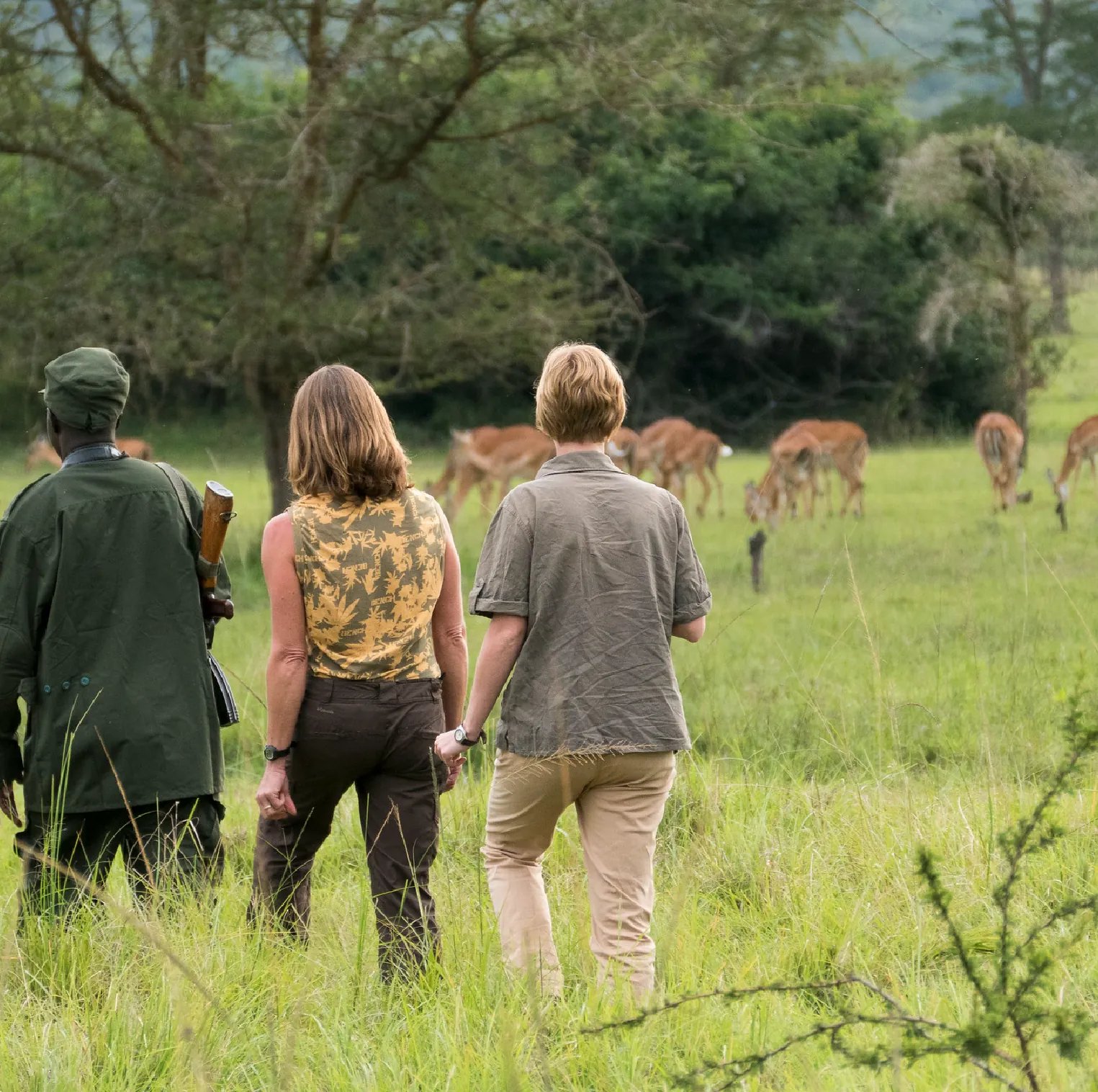
Elephants come to the river and woodland edges, giraffes browse the acacias and zebras, topi and impalas graze the floodplains. Read about elephants in elephant facts.
Roan, Sable and Birds
Miombo woodland holds roan and sable antelope, species less easily seen in many parks, and the lakes and rivers support storks, herons, pelicans and many other birds. See the East Africa birding guide.
Why Katavi Feels Different
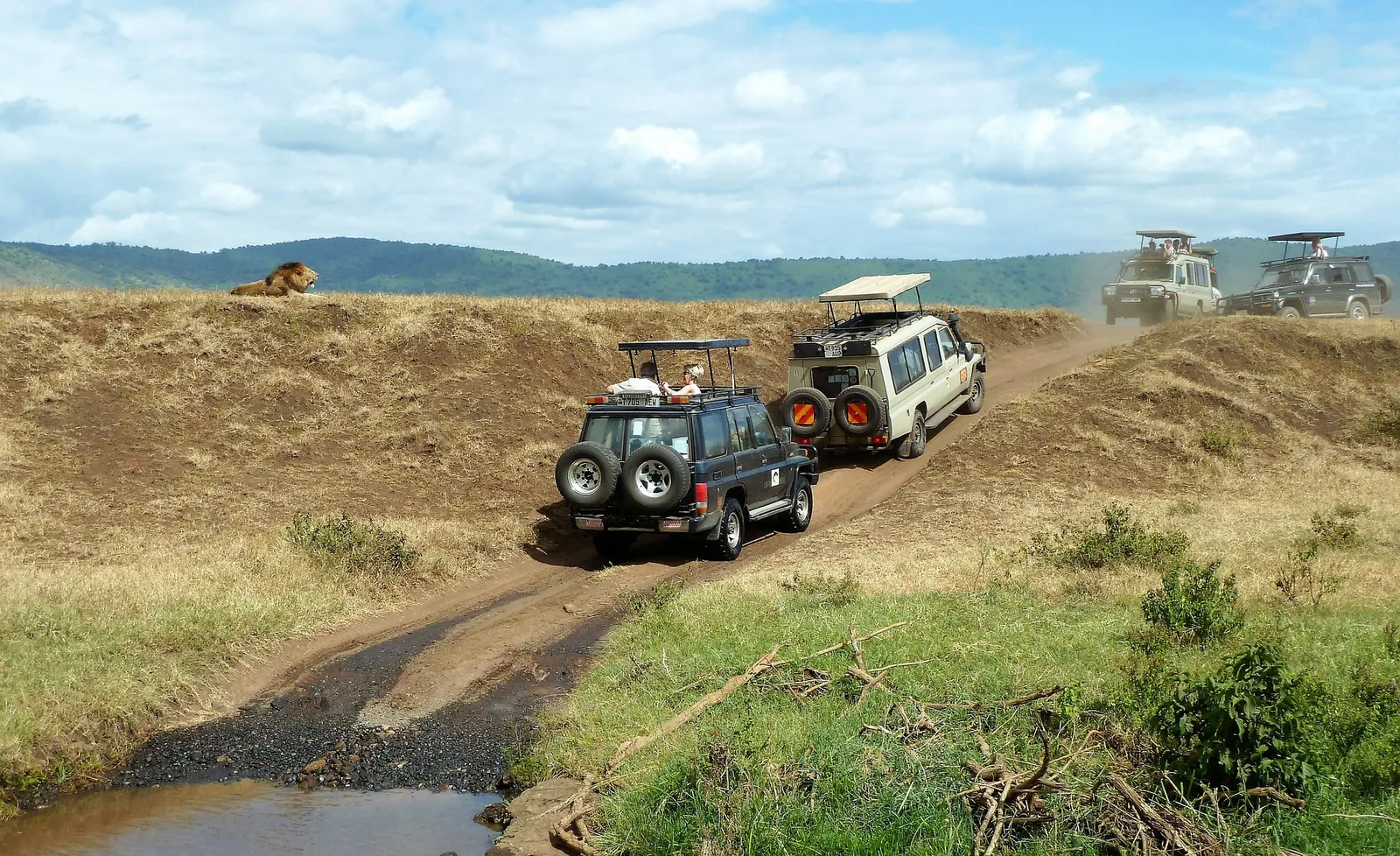
The park has a sense of space and silence that is rare. With few camps and little traffic, you can sit with one scene for as long as you like, whether that is a hippo pool, a buffalo herd or a lone elephant at the river. Guides often say that animals here behave more naturally because they are less used to vehicles, which also means you should expect to wait and watch rather than hurry between sightings.
Predators and Scavengers
Alongside lions, spotted hyenas and jackals clean up kills, while leopards use woodland and riverbanks. Vultures and other scavenging birds gather quickly when a carcass appears. Night is when predators are most active, but camps usually do not allow wandering in the dark, so listen from the safety of your tent. Early morning drives offer the best chance of seeing fresh tracks and the results of a night's hunting.
Viewing Tips
Tsetse flies can be a nuisance in woodland, so wear neutral clothes and carry repellent. Ask your guide about the wildlife in each area, and see best time to visit Katavi, Katavi activities and the Katavi National Park guide.
Planning a Uganda safari? Send us your dates and we will build the route, permits and transport around what you want to see.
Related Tours, Guides and Resources
- Ameera Africa Safaris homepage: Uganda safaris, tours and holidays
- Uganda safari packages
- Uganda travel guide
- How to book a Uganda safari
- Plan your safari with our team
Itineraries That Include This Experience

Frequently Asked Questions
Related Uganda Safari Pages
- Katavi National Park, Tanzania: Wildlife, Hippos, Seasons and How to Visit
- East Africa Wildlife Guide: Animals You Can See in Uganda, Kenya, Tanzania and Rwanda
- Best Time to Visit Katavi National Park: Dry Season Concentrations and Wet Season Access
- Things to Do in Katavi National Park: Game Drives, Walking Safaris, Hippo Watching and Birding
- Mahale Mountains Wildlife Guide: Chimpanzees, Monkeys, Forest Birds and Lake Tanganyika Life
- Gombe Stream National Park Wildlife Guide: Chimpanzees, Baboons, Monkeys and Lake Tanganyika Forest
- Arusha National Park Wildlife Guide: Giraffes, Colobus Monkeys, Flamingos and Buffalo
- Tanzania Safari and Travel Guides: Serengeti, Ngorongoro, Kilimanjaro and Zanzibar
Ready to Plan Your Uganda Safari?
Tell us your dates, group size and interests and our Kampala team will reply with a clear, personal itinerary.
Back to the Ameera Africa Safaris homepage for Uganda safari packages, our featured tours and the latest Uganda park fees.