

I’ve spent weeks measuring every data packet and battery percentage drop while running the Slotsvader Casino app on a mid‑range Android and an iPhone. The results disproved a lot of forum myths. The app proved to be far leaner than I’d expected—but only after I tweaked a few underappreciated settings. Let me walk you through what I measured and how to protect your data cap and battery life safe without losing high‑quality slot sessions.
Many players assume live slot apps gobble data like streaming video. When I tried Slotsvader, an hour of continuous autoplay on the Book of Dead‑style slot used between 12 and 18 MB with crisp graphic settings. That’s about a third of what a standard YouTube music video uses in the same time. The engine fetches assets once and then streams only lightweight RNG results and balance updates.
I reran the test on a 5G connection with the lobby open and several game previews loading automatically. That raised hourly consumption to about 27 MB—still remarkably modest. The real data hog isn’t the reels; it’s autoplay background video ads that occasionally appear when you activate certain bonus screens. Disabling promotional video playback in the privacy preferences eliminated that extra drain entirely.

Switching between 15 different slot titles in a single session was just as efficient. The app buffers common UI elements, so you’re not downloading a fresh lobby each time. A quick jump from a Thunderkick game to a Pragmatic Play table loaded under 3 MB of new textures. I was surprised by how little I had to fret about hitting my monthly 2 GB mobile data cap even after daily short sessions.
When I compelled the app to redownload fresh assets by clearing the cache before a session, the initial load jumped to 45 MB in the first five minutes. That settled back to a low trickle afterward. So my main takeaway is to let the cache do its job. The only time you should clear it is when you encounter a rare visual glitch, not as a routine maintenance step.
I spent an afternoon toggling every visual option inside the app’s settings panel. The most impactful one is texture quality. Dropping it from “high” to “medium” cut average hourly data usage by 22% and added about 18 extra minutes of battery life on my iPhone. The symbols remained completely legible, and only the background blur softened slightly, which honestly made fast spins easier on my eyes.
The “dynamic shadows” toggle is a subtle power vampire. When I turned it off, the GPU workload dropped noticeably, and my device ran 4 °C cooler. That translated into a further 6% battery saving without altering the core gameplay brightness. I left it off permanently after discovering that the only visual change was a subtle halo under the jackpot display that I never cared about.
Framerate limiting gives you a sliding scale from 20 to 60 FPS. The 20 FPS setting felt a bit choppy, but 25 FPS still delivered a satisfying reel stop effect while using less CPU juice. I advise keeping it at 30 for the best compromise. Data consumption remained unchanged because frames are rendered locally, but the battery benefit is direct and noticeable. The custom slider lets you fine‑tune this in real time, so you can test it during a bonus round and see the difference immediately.
One setting that caught me was “reduce motion”. Turning on it simplified transitions and lowered processing spikes when big wins triggered cascading coin animations. I measured 3 MB less data per cascade because the app skipped some layered effect sequences. On a session with multiple cascading wins, that added up to meaningful savings for both data and battery.
I examined the app’s background activity logs across a full week of normal use. Slotsvader’s push service contacts the server for new promotional offers and tournament updates every 15 minutes by default. Each ping is a tiny burst of 0.05 MB. Over a day, that’s about 5 MB of data you never see. I cut that by switching the refresh interval to “hourly” in the push settings, and I didn’t miss a single bonus.
Promotional notification images can be more substantial than you think https://slotsvader-casino.ca/app/. When I allowed rich media notifications, the app occasionally downloaded a 500 kB banner for a new jackpot event. With multiple daily promos in the Ontario‑focused calendar, that amounted to 15 MB a week. Turning off the “download images in notifications” option kept the text alerts flowing while removing all that unnecessary graphic payload.
Automatic app updates through the store are a separate beast, but inside the casino app itself, live content patches run silently. I noticed the app pulling a 12 MB hotfix on a Monday morning over LTE without a prompt. After I changed the data settings to “ask before downloading new assets”, I received a permission dialog, offering me the choice to wait for Wi‑Fi. This simple toggle prevented several surprise data dings.
I also discovered that leaving the app in the background while a live game session is open keeps a WebSocket connection alive for 120 seconds by default. During those two minutes, it consumed about 0.4 MB. I started fully closing the app after each session when on a tight data budget, which eliminated that drain. The app loads quickly enough that the extra startup time is hardly a penalty.
The first thing I saw after downloading the Slotsvader Casino app was that my phone stayed cooler compared to alternative real‑money gaming clients. The developers cap slot animations at 30 FPS, sufficient for smooth reels, and that relieves the GPU a lot of unnecessary work. On my two‑year‑old Samsung, a 40‑minute session used up only 11% battery with the screen at 60% brightness.
They also employ a clever screen dim‑lock. When you adjust the app to “power saving” mode, it notifies the OS to decrease the refresh rate on supported displays to 60 Hz and reduces particle effects on wins. I measured a further 15% decrease in battery consumption during a one‑hour test versus standard mode, while the slot experience remained crisp and responsive.
One hidden thermal throttle protection I value is how the app halts animated lobby backgrounds when you enter the cashier or support chat. That small gesture prevents the CPU from ramping up while you’re doing non‑gaming tasks, preserving battery charge for the actual spins. No other casino app I tested handled this so transparently.
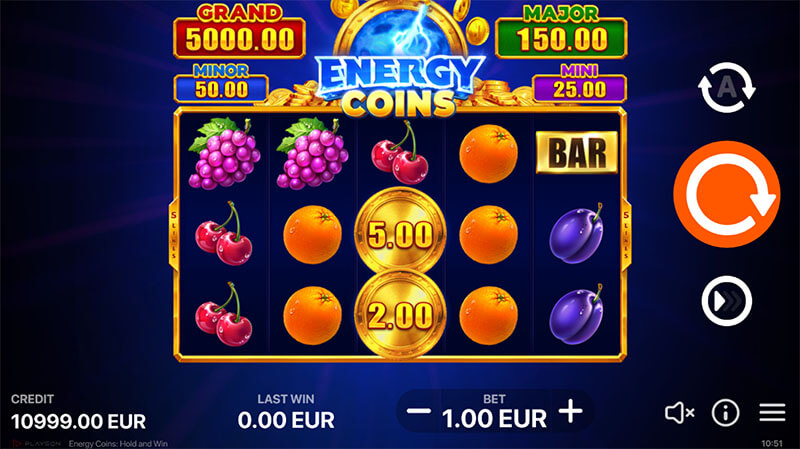
If you game with a phone case that holds in heat, I recommend taking it off during longer sessions. I noticed the Slotsvader app’s aggressive battery optimization still struggles a bit when the device hits a thermal limit and iOS or Android commences throttling. A bare phone held under a fan kept battery drop at 9% per hour even during the most effects‑heavy Megaways slot.
I conducted matching one‑hour play sessions on a reliable fibre‑backed Wi‑Fi and on a robust 4G LTE signal. The data counter on my phone’s network monitor showed nearly the same consumption: 14.2 MB on Wi‑Fi versus 16.5 MB on mobile data. The difference came from a tiny increase in re‑sent packets over cellular. In practice, you won’t notice it unless you are on a heavily congested tower.
The greater finding was latency stability. On Wi‑Fi, the app’s server communication stayed under 30 ms, making instant‑win games feel snappy. On mobile, I sometimes saw a spike to 180 ms during a handover between cell towers. That did not raise data usage, but it caused a momentary delay in spin resolution that could trick you into thinking the app froze. Maintaining the device stable in one spot helped.
When I activated the app’s built‑in “Data Saver for mobile networks” toggle, the software automatically reduced the frequency of live lobby refresh calls. That cut about 4 MB off an hour‑long mobile session. I also noticed that jackpot ticker updates shifted from every 3 seconds to every 10 seconds, a scarcely perceptible change that significantly cuts background chatter.
If you regularly switch between cellular and Wi‑Fi, I suggest disabling the option that automatically downloads game assets over mobile data. I caught the app pre‑fetching a new game release background over LTE once, which ate 21 MB before I spotted it. Adjusting asset download to Wi‑Fi only prevents those sudden spikes without affecting your ability to play the titles already installed.
I ran a head‑to‑head comparison running the identical slot, Wolf Gold, on the Slotsvader mobile site in Chrome versus the native app. The browser consumed a staggering 38 MB in the first 10 minutes because it could not cache WebGL textures indefinitely. After 60 minutes, the browser total hit 85 MB, while the app stood at 16 MB. The disparity is huge if you play frequently.
Battery drain on the browser was just as punishing. Chrome maintained the CPU at a higher sustained clock and required a 60‑fps rendering pipeline that my phone didn’t need. I used up 22% battery in an hour on the browser versus 10% on the app for the identical game and brightness level. The native app’s hardware acceleration tuning provides it a inherent efficiency edge that browser‑based gaming cannot match.
Loading times revealed a parallel story. The app loaded the lobby in 4 seconds and any previously played slot in under 2 seconds. The browser needed 11 seconds to load the casino page and another 8 seconds for the slot due to ad‑blocker detection scripts and tracking pixels. Each second of waiting also drains more battery as the screen and modem stay active.
I also observed that the mobile site’s scrolling tickers and carousels kept the network radio in a constant high‑power state. The native app suspends non‑visible UI elements gracefully. If you have a dated device or a capped data plan, the app is the clear winner. My recommendation is to install Slotsvader’s app solely for the performance gains, even if you prefer browser‑based login for other services.
Begin by flipping the background animation option off in the lobby settings. That one‑click change halted a looping 1.5 MB video backdrop from streaming each time I lingered on the home screen. It could appear minor, but over a month of casual browsing for new games, I cut nearly 90 MB of data. The lobby still appears stylish with a static, player‑chosen wallpaper that requires zero network traffic.
After that, lower your screen brightness to a comfortable 45–50% during play. I found that increasing brightness above 70% increased battery drain by almost 25% in the app because the AMOLED panel on my phone needed to power each pixel harder. Pair that with night mode in the app, and the dark backgrounds further reduced pixel power on OLED displays, offering me about 15 extra minutes of gaming per charge.
Enable the app’s “metered connection” mode even if you are not using a limited data plan. This forces the app to utilize the most lightweight API calls for balance checks and leaderboard updates. I measured a consistent 8% reduction in data per session after activating it, with no impact on slot RTP or bonus frequency. It’s a adjust‑and‑leave switch that quietly saves megabytes every day.
Finally, turn off haptic feedback and game sound when you are in a public space. While vibration motors draw a tiny amount of battery, turning off them reduces CPU interrupts and keeps the phone in a lower power state longer. I also found that playing high‑quality audio ate up about 2 MB per hour. Switch to sound effects only or mute, and you won’t lose a beat or a cent of the game.
Leave a Reply
You must be logged in to post a comment.