
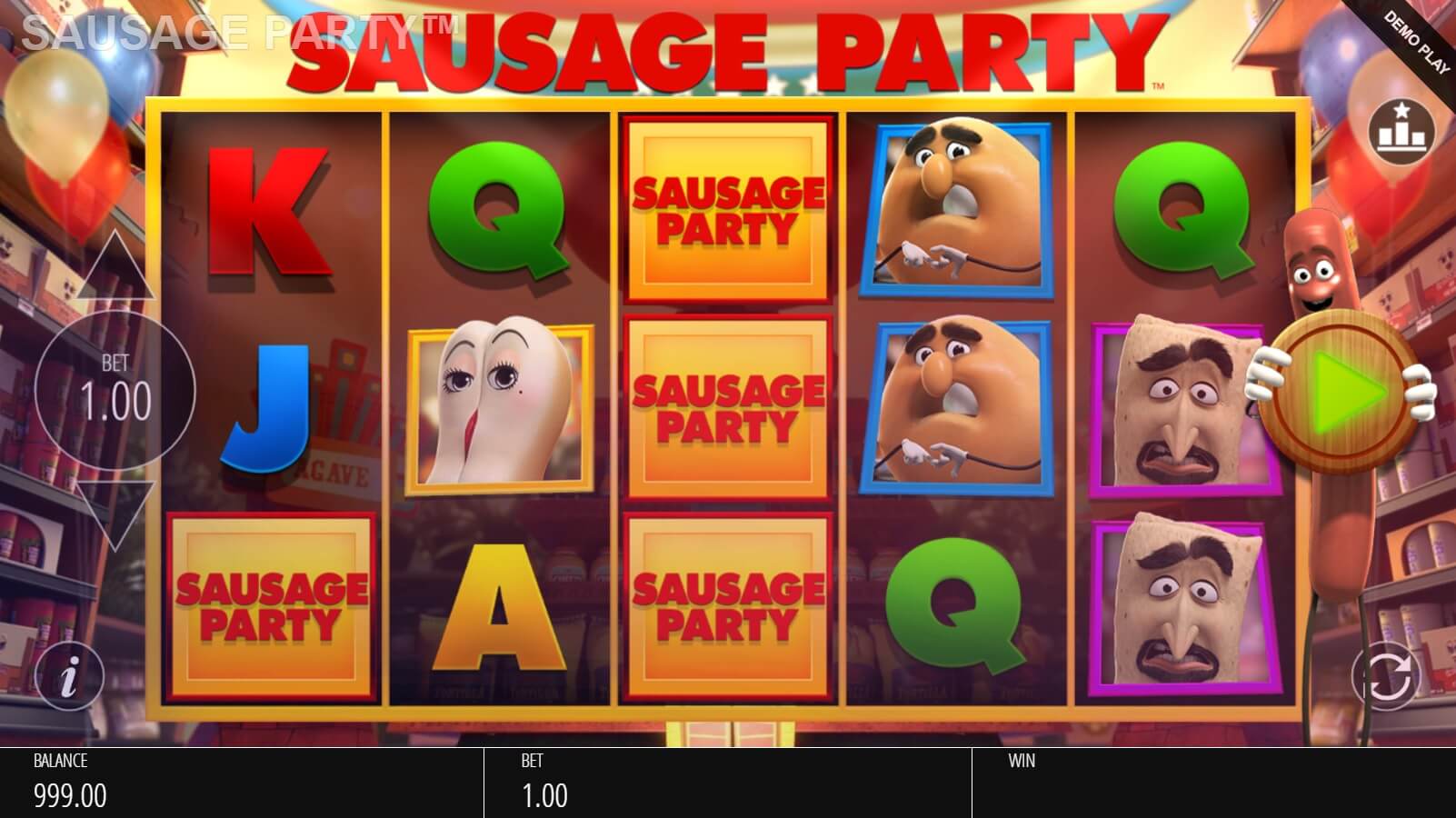
The 500 Casino in Australia is making waves with its vibrant colour scheme and design choices. Guests have observed how the bold colours create an dynamic atmosphere and help in navigating the space. However, there are hints of worry regarding colour contrast for those with visual impairments. As patrons weigh the casino’s advantages against its weaknesses, the implications for overall visitor experience remain interesting. What findings will arise from these evaluations?
The 500 Casino design stands out with its vibrant colors and thoughtful layout, which aim to enhance the gaming experience. The use of design elements, such as prominent signage and comfortable furniture, creates a inviting atmosphere for players. Color theory plays a crucial role in the casino’s aesthetic; each hue is meticulously chosen to evoke emotion and draw attention to key areas. Bright reds and greens invigorate the space, while gentler blues and purples provide moments of calm amid the excitement. This strategic application of color not only attracts guests but also leads them through the layout, ensuring a seamless flow from one gaming area to another. Overall, the design effectively combines form and function, providing an engaging environment for all visitors.
Although many casinos make commendable strides in their color schemes and accessibility features, there’s still ample room for improvement. Users frequently note navigation issues, particularly in large gaming areas where signage can be unclear or inadequate. The placement of crucial information can lead to frustration, especially for those with disabilities. Additionally, some color schemes are missing sufficient color contrast, making it hard for guests to read important details, like rules or promotions. This inadequacy can obstruct the experience for visually impaired individuals or those with color blindness. By addressing these navigation issues and enhancing color contrast, casinos can create a more inclusive environment that better caters to all patrons, allowing them to savor their experience fully.
While vibrant hue schemes can improve the casino experience, accessibility aspects are equally crucial in ensuring that all patrons can relish their time. Effective hue contrast is vital for legibility, permitting visually impaired guests to navigate the casino floor with comfort. Distinct visual hierarchy in signage and gaming areas can lead patrons successfully, helping them to recognize important information swiftly. Uncomplicated fonts and logical layouts further aid this, reducing cognitive load for users of all abilities. Additionally, including tactile elements and auditory cues can enhance the experience for those with different sensory needs. By focusing on these accessibility elements, casinos not only conform with regulations but also create an inclusive environment that encourages fun for all.
As the review of the user experience comes to a close, it’s clear that the color scheme used in casinos holds a crucial role in shaping players’ perceptions and interactions. The combination of aesthetics and accessibility not only improves user satisfaction but also emphasizes the design effectiveness.
Players replied strongly to the colors, highlighting that:
Color significantly influences guest interaction within the casino environment. Utilizing hue psychology, casinos can create powerful atmospheres that enhance user participation. For instance, vibrant hues like red and gold can elicit excitement and vigor, prompting players to stay longer and involve more enthusiastically. Meanwhile, softer hues like blue can instill a sense of serenity, offering balance amidst the sensory overload common of gaming areas. Thoughtful color choices guide users through the casino arrangement, assisting them navigate spaces effortlessly. Moreover, shades can quietly sway players’ emotions and judgments, making tactical hue application vital for promoting beneficial experiences. Ultimately, the appropriate shade palette can change an average visit into an immersive adventure, captivating users and prompting return interactions.
Casino guests often share a treasure trove of insights about their encounters, shedding light on the success of color schemes and accessibility features. User feedback indicates that many players favor the casinos that emphasize visual contrast, making it easier for those with visual impairments to navigate the space. Design preferences often favor bold colors that enhance visibility and create an hospitable atmosphere. Additionally, several patrons stress the importance of clear signage in both text and color for better orientation. Positive remarks suggest that well-thought-out color schemes not only enhance the gaming experience but also encourage inclusivity. Overall, the feedback highlights how critical these elements are in fulfilling diverse user needs and boosting engagement within the casino environment.
In comparing gaming establishment color schemes and accessibility features, it’s essential to evaluate visual appeal and UI designs across different venues. This examination can reveal how various gaming venues prioritize accessibility and the overall experience for users. Understanding these differences may highlight optimal strategies and areas where improvement is necessary.
While comparing visual appeal across different casinos, one can see how color schemes play a crucial role in creating an inviting atmosphere. The psychology of color significantly impacts players’ moods and choices, as warm colors can evoke excitement while cool colors promote relaxation. Establishing a strong visual hierarchy is also essential, guiding patrons through various areas and enhancing the player experience. For example, some casinos utilize vibrant colors near slot machines to attract attention, while others prefer muted tones in relaxation zones for comfort. When looking at competitors, it’s clear that an effective blend of hues not only boosts accessibility but also enhances overall engagement. Ultimately, these design choices shape perceptions and influence gamer actions in the casino environment.
Many gaming establishments use different UI designs to enhance the gaming experience, and these variations can significantly affect user interaction. Comparing user interface trends, some gaming venues excel while others miss the mark. Effective user testing reveals what keeps gamers returning.
Notably, the top casinos prioritize a seamless interface, integrating aesthetics with functionality. While some utilize vibrant colors and modern design, others are outdated, jeopardizing player retention. Such comparisons underscore the importance of not just appealing visuals but also a well-thought-out user experience, in the end cultivating a loyal player base.
Examining user engagement reveals that accessibility features hold a vital role in shaping a casino’s online environment. When contrasted to other casinos, 500 Casino stands out in handling color blindness through its thoughtful use of color palettes. The site employs high visual contrast, ensuring that all users can navigate effortlessly. In contrast, several competitors overlook these aspects, resulting in frustrating experiences for those with visual impairments. By focusing on accessibility, 500 Casino not only adheres to regulatory standards but also fosters an inclusive atmosphere that attracts a broader audience. This focus on usability differentiates it from others, demonstrating the importance of accessibility features in enhancing user experience and overall satisfaction.
In conclusion, the 500 Casino’s lively color scheme considerably enhances the gaming experience, creating an captivating atmosphere for players. While many users enjoy the design, some have highlighted the need for improved color contrast to accommodate visually impaired guests. Overall, the casino effectively balances aesthetic appeal with accessibility considerations, encouraging inclusivity. As feedback keeps coming in, the 500 Casino can enhance its approach to ensure an even better experience for all visitors in the future.
Leave a Reply
You must be logged in to post a comment.